Why Short Trips Damage Your Car More Than Highway Driving 

Why Short Trips Damage Your Car More Than Highway Driving
Your car's odometer tells only part of the story. A vehicle that travels 10,000 kilometres on highways experiences less mechanical stress than one covering the same distance in short urban trips. This reality surprises many drivers. Most assume highway driving causes more wear. The opposite is true. Car manufacturers classify short trips as severe operating conditions. This classification appears in service schedules for most major brands. The definition matters because it determines how often your vehicle needs servicing.

What Counts as a Short Trip

Most manufacturers define short trips as journeys under 10 kilometres. These trips prevent the engine from reaching full operating temperature. A typical engine needs 15 to 20 minutes of running to reach proper temperature. This assumes continuous driving without stops. Urban driving with traffic lights extends this time further. Clayton South drivers often fall into this pattern. The trip to Chadstone Shopping Centre measures 4 kilometres. Driving to Bentleigh station covers 3 kilometres. A school run to Oakleigh might total 6 kilometres return. Each journey feels substantial while driving. Mechanically, none allows the engine to complete its warming cycle.
Combustion engines operate most efficiently at specific temperatures. Modern engines target between 90 and 105 degrees Celsius for optimal performance. Below these temperatures, several problems occur simultaneously. Fuel combustion remains incomplete. This creates carbon deposits on valves and pistons. The deposits accumulate over time. They affect engine performance and fuel economy. Oil viscosity changes with temperature. Cold oil flows poorly. It cannot properly lubricate moving parts. This increases friction and wear on critical components. Moisture forms inside the engine during cold operation. This moisture comes from combustion byproducts. Proper operating temperature evaporates this moisture. Short trips never reach temperatures high enough to remove it completely. The moisture mixes with oil to create sludge. This sludge damages engine internals and clogs oil passages.

How Cold Engines Create Problems

Combustion engines operate most efficiently at specific temperatures. Modern engines target between 90 and 105 degrees Celsius for optimal performance. Below these temperatures, several problems occur simultaneously. Fuel combustion remains incomplete. This creates carbon deposits on valves and pistons. The deposits accumulate over time. They affect engine performance and fuel economy. Oil viscosity changes with temperature. Cold oil flows poorly. It cannot properly lubricate moving parts. This increases friction and wear on critical components. Moisture forms inside the engine during cold operation. This moisture comes from combustion byproducts. Proper operating temperature evaporates this moisture. Short trips never reach temperatures high enough to remove it completely. The moisture mixes with oil to create sludge. This sludge damages engine internals and clogs oil passages.

Battery and Electrical Systems

Short trips also stress charging systems. Modern vehicles draw significant electrical power even when stationary. Remote locking, alarm systems and computer modules all drain the battery when parked. Starting the engine requires substantial battery power. A cold engine needs more power to crank than a warm one. Each short trip depletes the battery without allowing adequate recharge time. Alternators need 20 to 30 minutes of operation to restore charge used during starting. Urban trips rarely provide this time. The battery gradually depletes over weeks and months. Many drivers assume their battery failed suddenly. Usually the failure represents months of inadequate charging. The battery simply reached the point where it could no longer start the engine.

Exhaust System Corrosion

Exhaust systems corrode from the inside out. This surprises drivers who expect external rust to appear first. Combustion produces water vapour as a byproduct. This vapour travels through the exhaust system. In highway driving, exhaust temperatures evaporate this moisture before it condenses. Short trips never generate enough heat. Water condenses inside mufflers and exhaust pipes. This water contains corrosive combustion acids. It sits inside the exhaust system between trips. The result is premature rust and perforation. Exhaust systems on short trip vehicles often fail years before those on highway vehicles. Melbourne's coastal climate makes this worse. Salt air accelerates corrosion on already weakened components.

Brake System Effects

Brakes wear differently based on driving patterns. Short urban trips cause specific problems. Stop and start driving generates heat in brake components without allowing proper cooling. This repeated heating cycle gradually damages brake pads and rotors. Moisture also affects brake systems. Brake fluid absorbs water from the atmosphere. This moisture reduces the fluid's boiling point. In severe cases, water contamination leads to brake fade under hard braking. Short trips provide little opportunity for brake systems to dry out. Moisture accumulates over time. Regular servicing becomes essential to maintain safety.

Modern Service Intervals

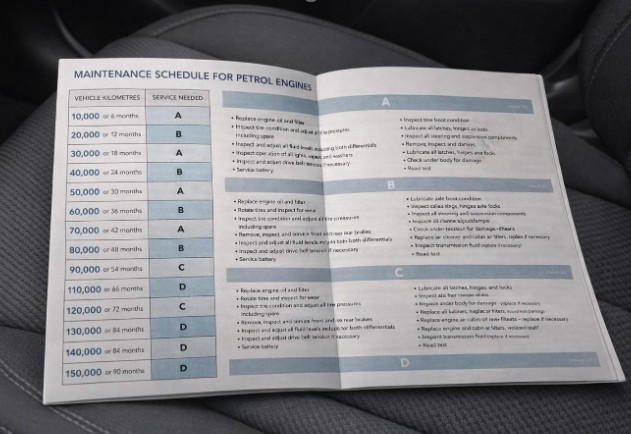
Current service schedules reflect these realities. Most manufacturers specify service intervals as distance or time, whichever comes first. A typical schedule states 15,000 kilometres or 12 months. Some manufacturers use 10,000 kilometres for urban driving conditions. The time component matters for short trip drivers. A vehicle covering only 8,000 kilometres per year still needs annual servicing. The calendar drives the service requirement, not the odometer. Many drivers ignore this. They believe low kilometres mean less servicing. This assumption costs them money in premature component failure.

The Clayton South Context

Clayton South's location creates typical short trip patterns. The suburb sits 18 kilometres from Melbourne's CBD. Most residents work closer than this. Common destinations include Monash University (6 kilometres), Clayton shopping district (3 kilometres), and Westfield Southland (5 kilometres). The area's residents often own quality vehicles. These vehicles deserve maintenance that reflects their usage patterns. Local motor mechanics understand these patterns. They see the consequences when drivers neglect time based service intervals. Carbon buildup, oil contamination and battery problems appear predictably in vehicles used mainly for short trips.

What This Means for Maintenance

Short trip driving requires stricter maintenance discipline. Several practices help mitigate the problems. Service your vehicle according to time intervals, not just distance. If the manual states 12 months or 15,000 kilometres, observe the 12 month interval even at low kilometres. Consider more frequent oil changes. Short trip vehicles benefit from 7,500 kilometre intervals rather than 10,000 or 15,000 kilometres. Take occasional longer trips. A monthly highway drive of 30 to 40 minutes helps evaporate moisture and burn off deposits. This does not replace proper servicing but reduces accumulation between services. Check battery condition annually. Short trip vehicles need battery testing more frequently than highway vehicles. Catching deterioration early prevents inconvenient breakdowns. Monitor fluid conditions between services. Oil that appears dark and contaminated before the service interval indicates problems. This signals need for adjusted maintenance schedules.

The Cost Equation

Drivers sometimes view frequent servicing as excessive expense. The alternative costs more. A replacement engine costs between $8,000 and $15,000 for most vehicles. This expense results from neglect, not age. Many engines fail prematurely because owners ignored service requirements. Carbon buildup severe enough to require manual cleaning costs $600 to $1,200 in labour. This work becomes necessary when drivers skip services. Exhaust system replacement ranges from $800 to $2,000 depending on the vehicle. Short trip vehicles need this work sooner than highway vehicles, but only when maintenance lapses allow corrosion to advance unchecked. Compare these costs to regular servicing. A typical car service costs $180 to $280 at quality workshops in Clayton. Annual servicing represents a fraction of repair costs that result from neglect.

What Mechanics See

Understanding short trip effects requires mechanical knowledge and diagnostic experience. Not all workshops recognise the patterns or communicate them effectively to customers. Experienced motor mechanics identify short trip damage during inspections. They notice moisture in oil, carbon deposits on valves, and battery deterioration patterns. This knowledge informs service recommendations.

Why Clear Explanation Matters

Drivers benefit when mechanics explain these issues clearly. Understanding why annual servicing matters helps justify the expense. It transforms maintenance from an irritation to insurance against larger costs. Short trip vehicles need specific attention:
  • Service according to time intervals, not just kilometres
  • Monitor oil condition more frequently than highway vehicles
  • Check battery health annually rather than waiting for failure
  • Watch for early warning signs like dark oil before scheduled services
Clayleigh Motors has serviced Clayton South vehicles since 1979. The workshop's mechanics understand local driving patterns and their mechanical effects. This experience shows in how they assess vehicles and recommend appropriate maintenance. Your driving pattern matters more than your odometer reading. Short urban trips create severe operating conditions that accelerate wear and contamination. Manufacturers acknowledge this in their service schedules. The time based component exists specifically for short trip vehicles. Ignoring it guarantees premature problems and expensive repairs.
Clayton South's urban location means most local vehicles experience these conditions daily. Proper maintenance schedules account for this reality. They protect your investment and prevent predictable failures. The solution is straightforward. Follow time based service intervals regardless of kilometres travelled. Choose a motor mechanic who understands short trip effects and services vehicles accordingly. Accept that urban driving demands more frequent attention than highway driving. Your car will last longer and cost less to operate over its lifetime. The initial discipline of regular servicing pays dividends in reliability and lower repair costs.

Further Reading

For more information on severe operating conditions and maintenance schedules, consult your vehicle's owner's manual. The service schedule section typically includes definitions of severe operating conditions and adjusted maintenance intervals for these conditions.

What our Customers Say

Articles & Tips

Trading Hours

Monday-Friday: 8:00am - 5:00pm 
Saturday-Sunday: Closed  

© 2026 Clayleigh Motors

Website design by CJ Digital