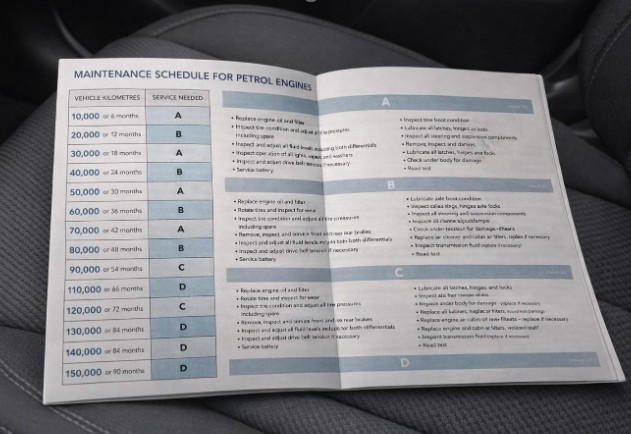
How to read your car’s logbook service schedule
A higher service quote does not always mean something is wrong with the car. It usually means the schedule has moved from a baseline service into a milestone one, and…

Something’s changed about the way your car rides. Maybe it bounces more than it used to over speed bumps, or dips forward when you brake hard. It doesn’t feel dangerous – but it doesn’t feel right either.
That change in feel is usually the first sign of car suspension problems. Most suspension issues start small and get worse gradually, which means catching them early keeps the repair simple and the cost down.

Your car’s suspension is a system of parts working together, not a single component. The main ones worth knowing about are shock absorbers (fluid-filled dampers that control bounce), coil springs (which support the car’s weight and absorb impacts), bushes (rubber mounts that cushion metal joints), and control arms (the metal links connecting your wheels to the car’s frame).
No single part works in isolation. When one wears, it puts extra stress on the others. A worn bush can accelerate shock absorber wear. A weak spring can cause a shock to work harder than it should. That’s why catching problems early stops a small repair from becoming a big one.
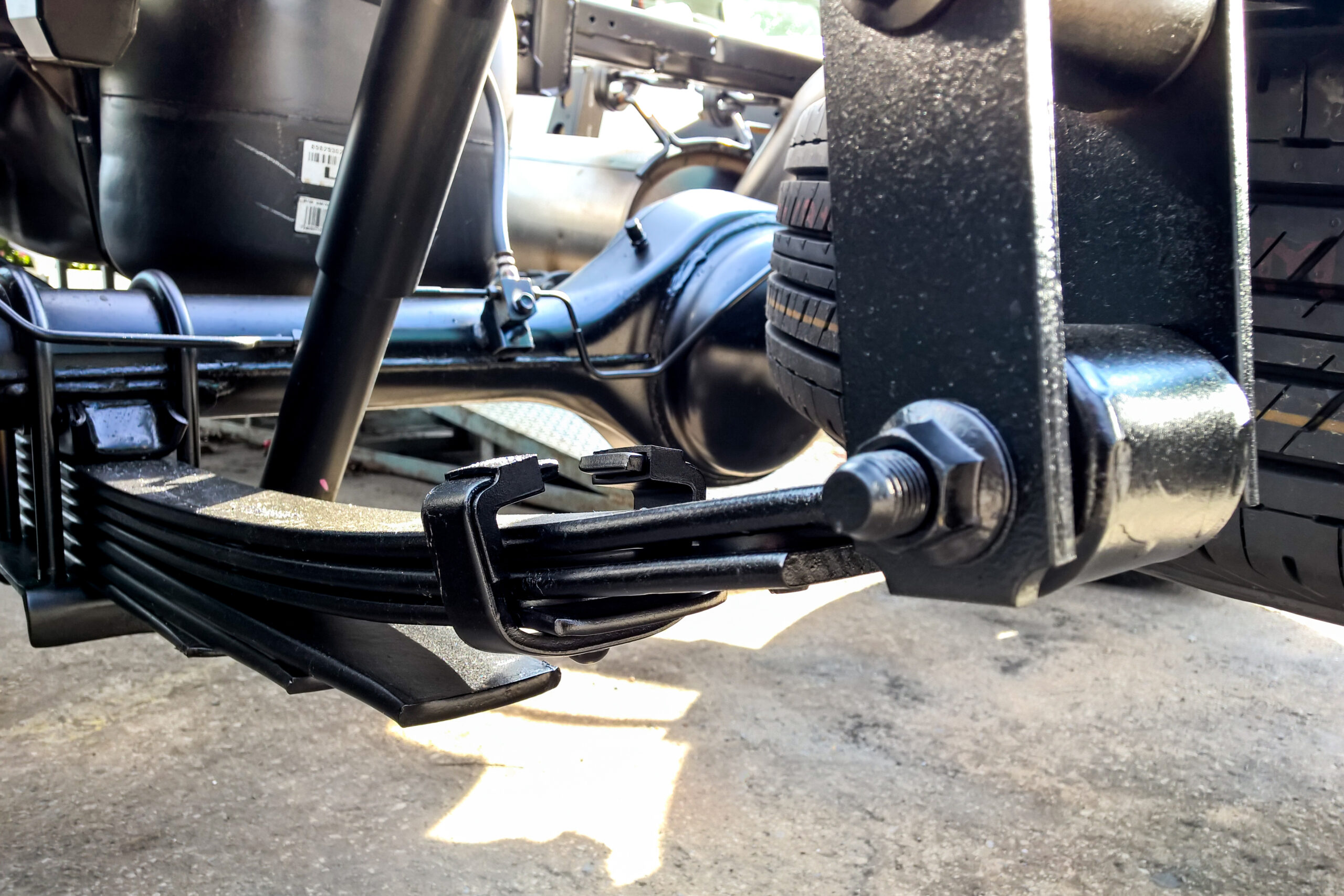
There’s no single answer – it depends on your car, your roads, and how you drive. As a general guide, shock absorbers last between 80,000 and 150,000 km. Springs often last the life of the car, but not always. Bushes typically need replacing somewhere between 80,000 and 160,000 km.
Melbourne’s south-east roads speed up that wear. The stop-start crawl along the Monash Freeway, the speed bumps through residential streets around Clayton South and Springvale, the potholed side streets that never quite get resurfaced – it all takes a toll. If your car has done most of its kilometres on roads like these, expect components to wear faster than the textbook figures suggest.
A suspension inspection is straightforward. Your mechanic will look over the shocks, springs, bushes, and control arms for visible damage, leaks, or cracking. They’ll road test the car to feel for excess bounce, pulling, or unusual noise. And they’ll check your tyres for uneven wear patterns that point to suspension issues underneath.
If something needs replacing, you’ll get a quote before any work starts. For context on what common repairs typically cost across the industry: bush replacements generally run $100 to $350, shock absorbers $200 to $700 per pair, and springs $250 to $750 each. A full suspension overhaul on a standard passenger car can reach $1,500 to $4,000, but most people only need one or two components replaced at a time. A wheel alignment is usually recommended after suspension work and adds around $70 to $120.



Monday-Friday: 8:00am - 5:00pm
Saturday-Sunday: Closed

Address: 9 James Street, Clayton South 3169 VIC
Phone: 03 9544 4654
Email: con@clayleighmotors.com.au
Website design by CJ Digital