


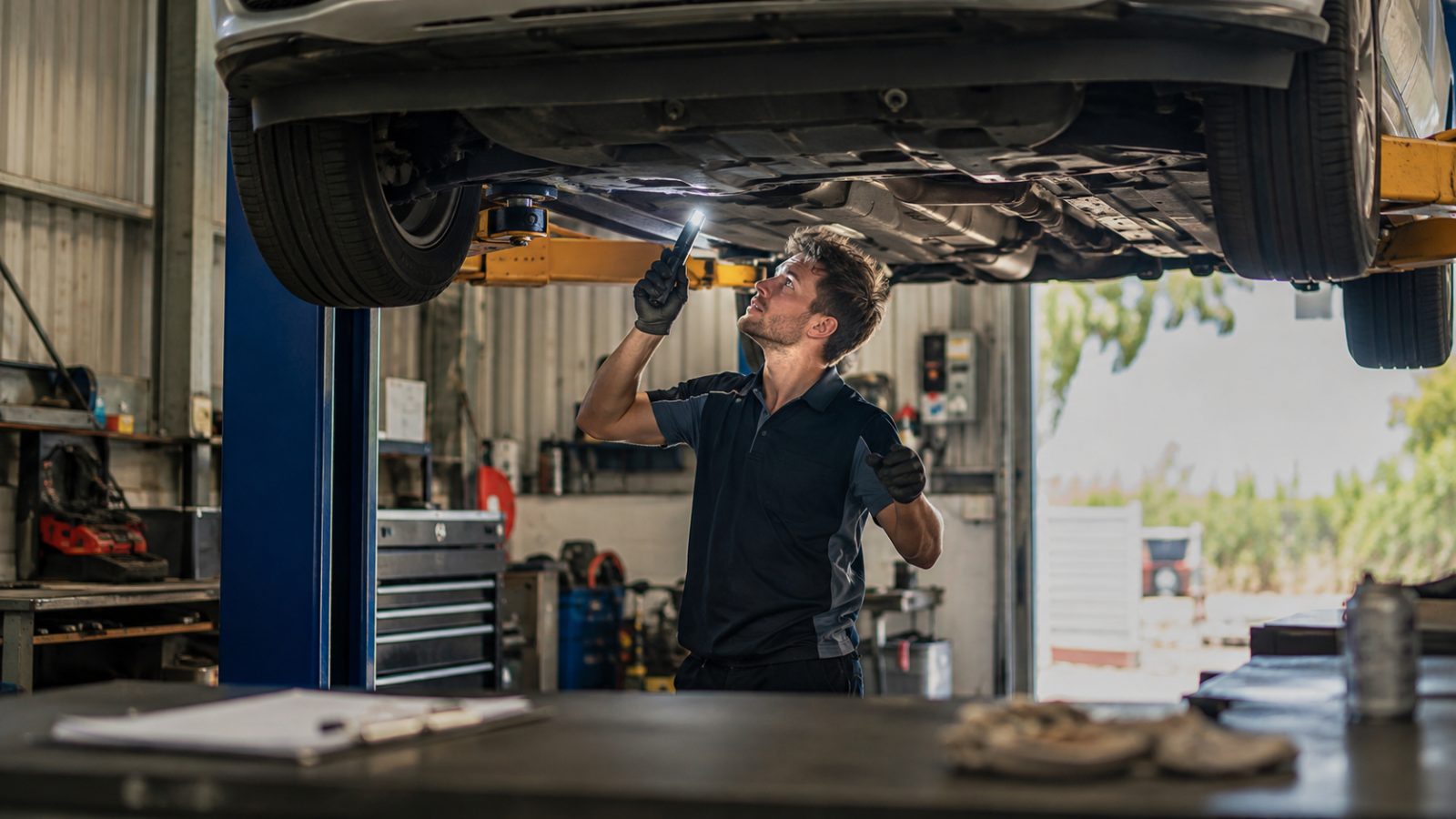
When do you need a roadworthy certificate in Victoria?
The rules on when a Victorian roadworthy certificate is needed turn on what you are doing with the vehicle, not on the vehicle itself. Our new guide sets out which…

In Victoria you need a certificate of roadworthiness when a registered vehicle changes owner, when you re-register a vehicle whose registration has lapsed, and when you put a vehicle on a club permit. Buses and taxis need one as part of their regular inspections, and a certificate is sometimes what clears a defect notice. You do not need one to renew registration you already hold, and you do not need one to keep driving a car you own.
How to get a roadworthy certificate is the easy part. Working out whether you need one is where people come unstuck, because the rules turn on what you are doing with the vehicle rather than on the vehicle itself.
A certificate of roadworthiness, often shortened to roadworthy or RWC, is a licensed tester’s statement that a vehicle met Victoria’s roadworthiness standards on the day it was inspected. It is tied to particular moments in a vehicle’s life rather than to a fixed schedule.
Transfer of ownership. When a registered vehicle changes hands, the current owner has to give the new one a valid certificate. That holds whether the car is going to a stranger, to a friend or to your daughter, and selling is only one of the ways a vehicle changes owner.
Registration and re-registration. A vehicle that is not currently registered needs a certificate before it can go back on the road. That covers a car whose registration was cancelled after sitting unpaid, one that has been in a shed for years, and a used vehicle brought in from another state and registered here for the first time.
Club permits. Putting an older vehicle on a Victorian club permit has its own check. For vehicles built from 1949 onwards, the club officer who signs the eligibility form needs to see a current roadworthy certificate.
Defect notices and write-offs. A certificate is sometimes what clears a vehicle defect notice. One is also required once a repairable write-off has passed its vehicle identity validation inspection.
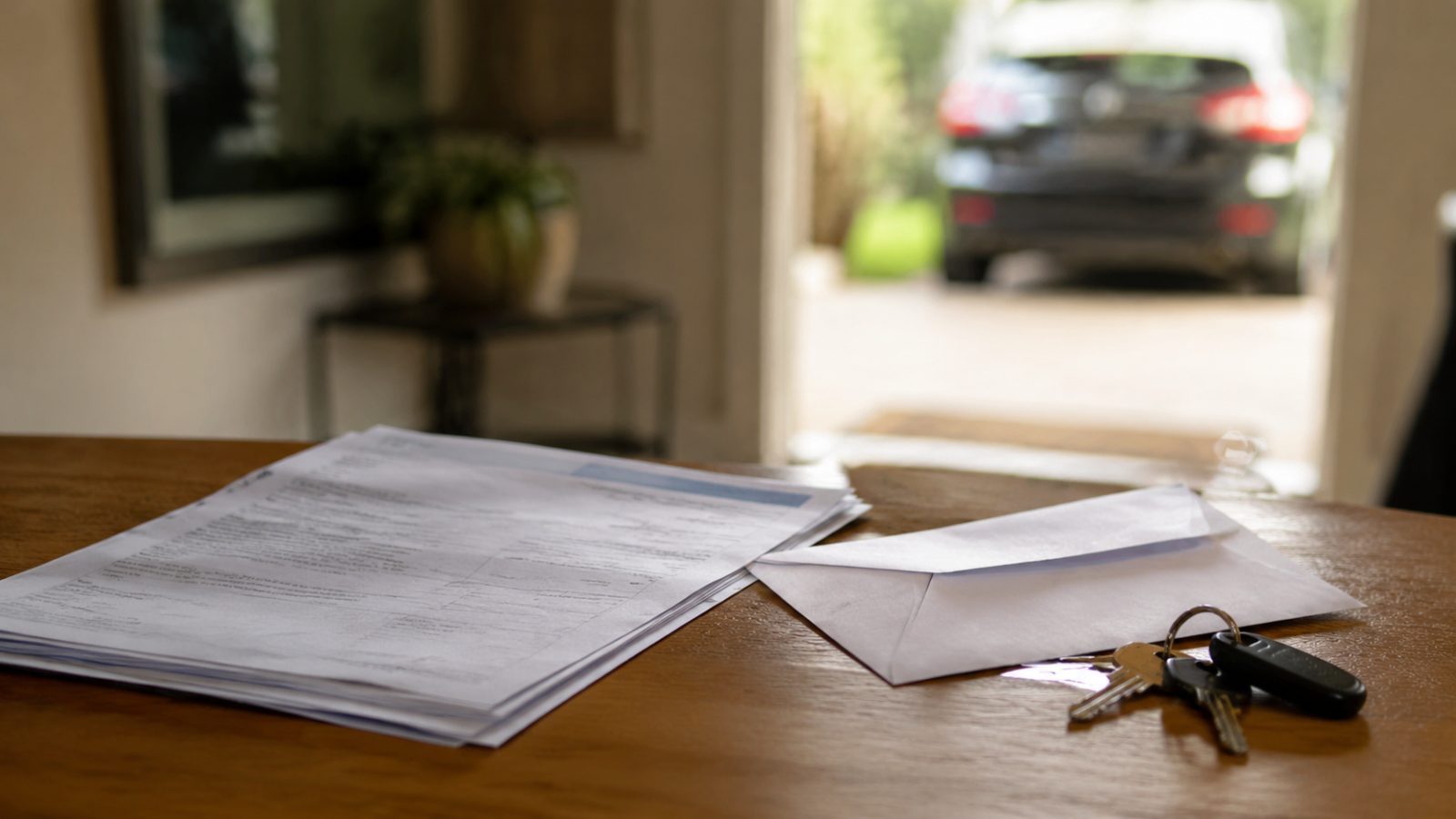
Victoria has no periodic roadworthy check for ordinary private cars. If the car is registered and you are keeping it, you can renew year after year and never present it for a test.
A brand new vehicle that has never been registered anywhere, here or overseas, does not need one either. The exception written into the rules is a new vehicle going into service as a taxi.
Some changes of owner are exempt as well. A transfer between spouses or domestic partners needs no certificate. Neither does a sale where the vehicle is already unregistered, because the buyer then takes on getting one before it can go on the road. Dealers will often take a vehicle in without one, so ask the dealer what they need before you book a test.
The table below sets out the situations people ask about most, and whether each one calls for a certificate.
| Situation | Certificate needed? |
|---|---|
| Transferring a registered vehicle to a new owner | Yes, and the current owner provides it |
| Transferring to a spouse or domestic partner | No |
| Selling a vehicle that is already unregistered | No, the buyer arranges it |
| Selling to a licensed motor car trader | No |
| Re-registering a vehicle whose registration has lapsed | Yes |
| Registering a used vehicle brought in from interstate | Yes |
| Renewing registration you already hold | No |
| Buying a brand new vehicle | No, unless it will be a taxi |
| Putting a vehicle on a club permit | Yes, for vehicles built from 1949 onwards |

Only a Licensed Vehicle Tester can issue one, and only from premises VicRoads has approved for the job, such as a garage or a service station. The licence is granted by VicRoads and it covers the tester and the site together.
That is why not every workshop can do it. A mechanic can service your car, replace its brakes and know its history inside out without holding a tester’s licence. So where to get a roadworthy certificate is a narrower question than where to get a service, and the two are worth keeping apart in your head.
Searching for a licensed vehicle tester near me will turn up plenty of options. The check worth doing is whether the workshop appears on the list of licensed testers VicRoads publishes. A tester works to written directions issued by VicRoads, so the standard the car is measured against is the same wherever you go.
Clayleigh Motors is an accredited VicRoads Licensed Vehicle Tester, so a car already booked in for other work can be inspected in the same visit rather than in a second one somewhere else. The roadworthy certificates page has the booking form.
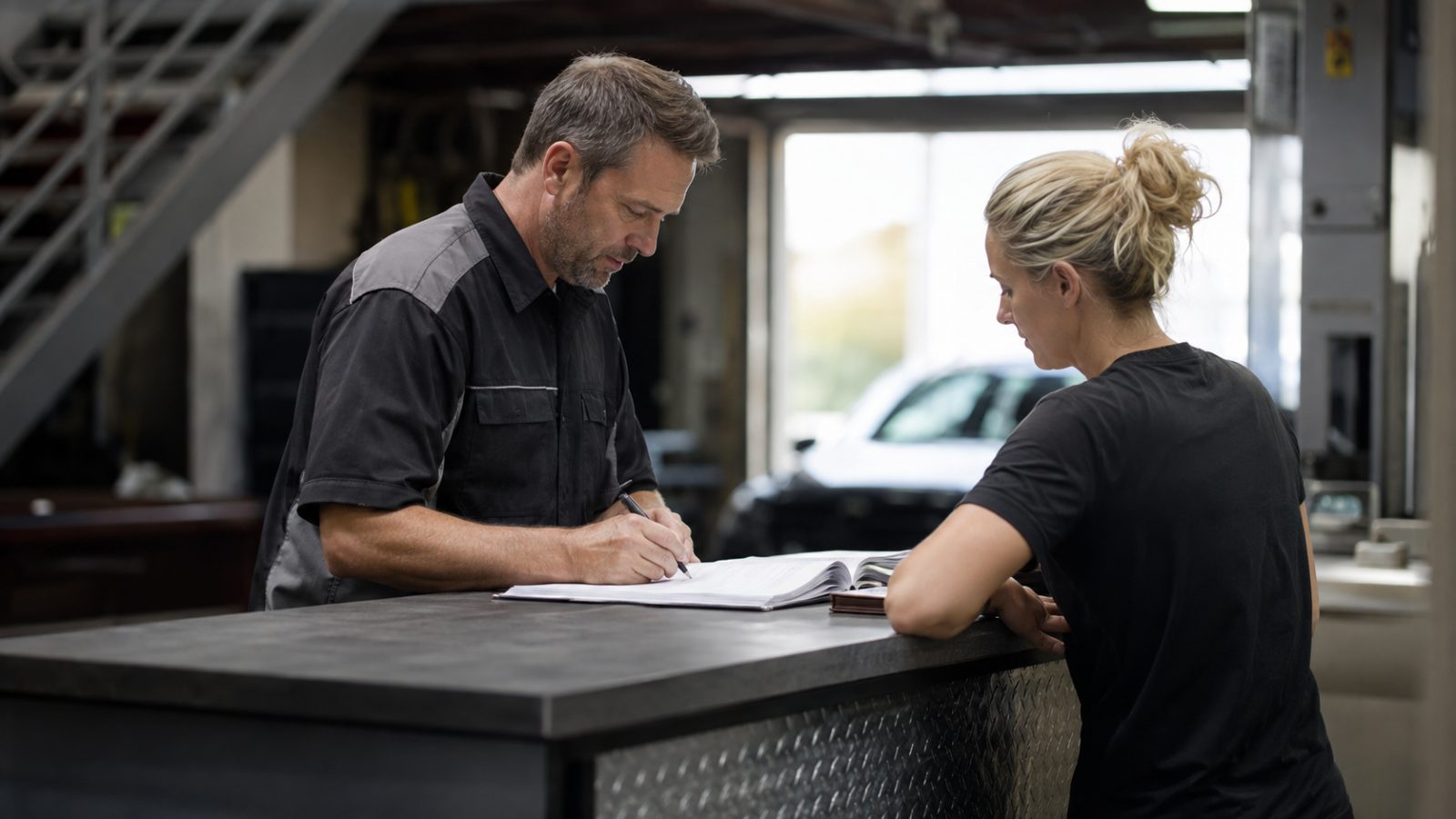
The process itself is short. You book the vehicle in with a licensed tester, leave it with them for the inspection, and collect it with the certificate if it passes.
Bring the vehicle, its registration details, and any VASS approval certificate issued for a modification. VASS stands for Vehicle Assessment Signatory Scheme, and the certificate is the paperwork showing a modification was approved. A tester has to take it into account, and without it an approved modification can look like an unapproved one.
Plan on the car being off the road for the inspection rather than dropped in between errands. Most workshops set aside a block of time for a roadworthy rather than fitting it around other jobs, so ask how long they need when you book.
If you are transferring a car around Clayton South or Oakleigh, there is a choice worth a moment’s thought. You can take it to a testing station you have never used, or to the workshop that has been servicing it and already knows what has been done to it. Neither changes the standard the car is measured against. The second usually means fewer surprises, because anything borderline has been seen before.

A Victorian roadworthy certificate says that at the time of the inspection the vehicle met the standards VicRoads sets and was fit for use on the road. It is a snapshot of that day rather than a report on how the car is running.
Certificates are issued electronically. The tester records the test through the VicRoads eCertificate system, so it is lodged with VicRoads as your copy is produced. For a change of owner, the new owner needs that copy.
A certificate stays current for 30 days from the date it is issued, so timing matters when a transfer or a registration is being arranged around it.
If you already know something on the car needs attention, get it sorted before the formal test rather than during it. A fault found on the day turns one visit into two. Reading up on what fails a roadworthy check before you book is the sensible first step, and the test is worth booking once that work is done.
No. Renewal of an existing registration carries no inspection requirement for an ordinary private car, so the same vehicle can be renewed year after year without one.
No. The licence sits with the tester and with the premises, both approved by VicRoads, so a workshop can be very good at servicing and still be unable to issue a certificate.
Usually yes. The exemption covers spouses and domestic partners only, so passing a car to a parent, a child or a sibling is treated like any other change of owner.
No, as long as the vehicle has never been registered anywhere before. The one exception written into the rules is a new vehicle going into service as a taxi.
Only if it is registered at the time of the sale. Selling it unregistered moves the job to the buyer, and a sale to a licensed motor car trader does not call for one either.




Monday-Friday: 8:00am - 5:00pm
Saturday-Sunday: Closed

Address: 9 James Street, Clayton South 3169 VIC
Phone: 03 9544 4654
Email: con@clayleighmotors.com.au
Website design by CJ Digital