


When do you need a roadworthy certificate in Victoria?
The rules on when a Victorian roadworthy certificate is needed turn on what you are doing with the vehicle, not on the vehicle itself. Our new guide sets out which…

Your engine warning light has come on. Or your car is running rough, using more fuel than usual, or doing something it didn’t do last week. A car diagnostic scan is usually the first step to finding out why.
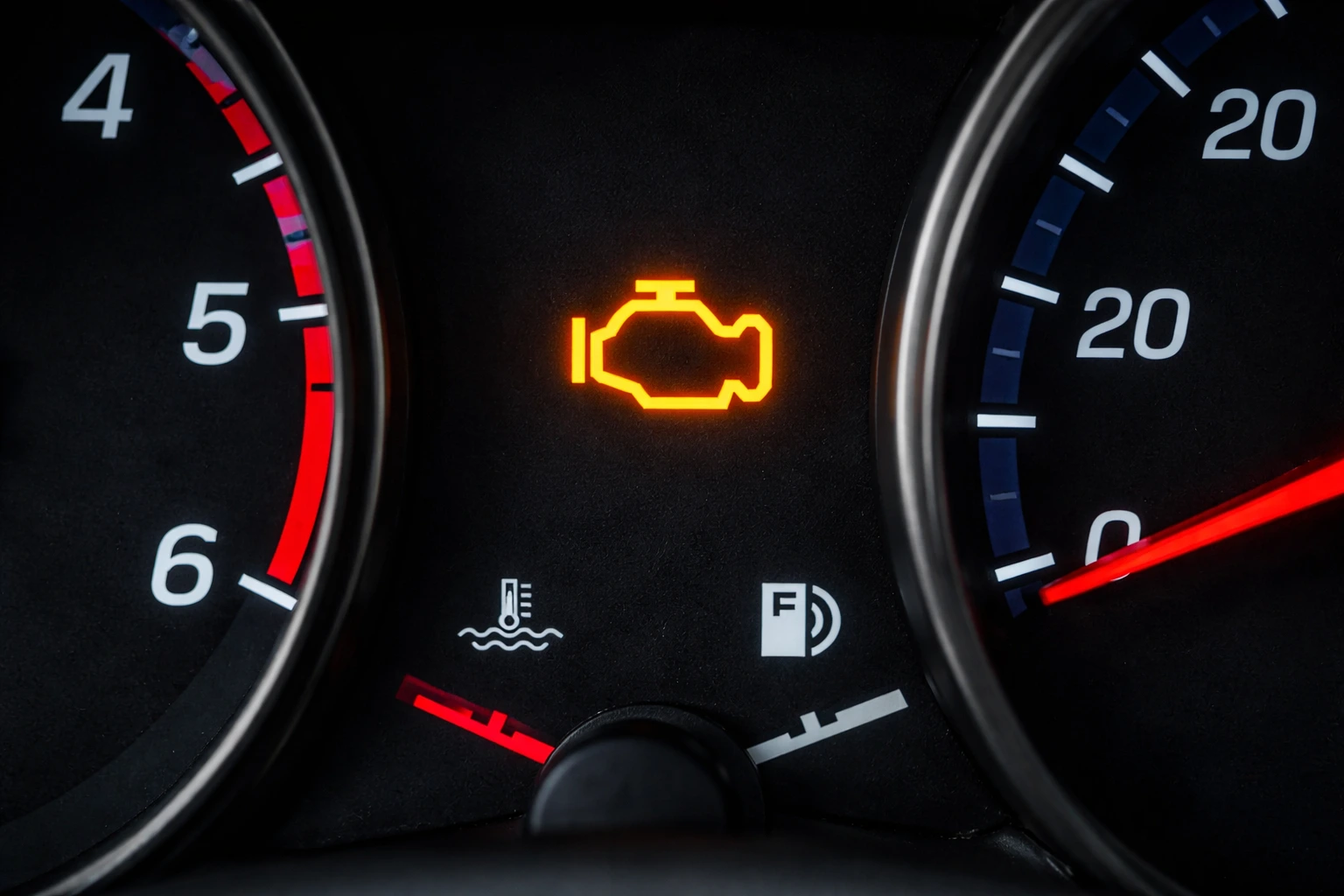
But a scan doesn’t work the way most people think. It won’t tell your mechanic exactly what’s wrong. What it does is narrow down where to look – and that’s more useful than it sounds.
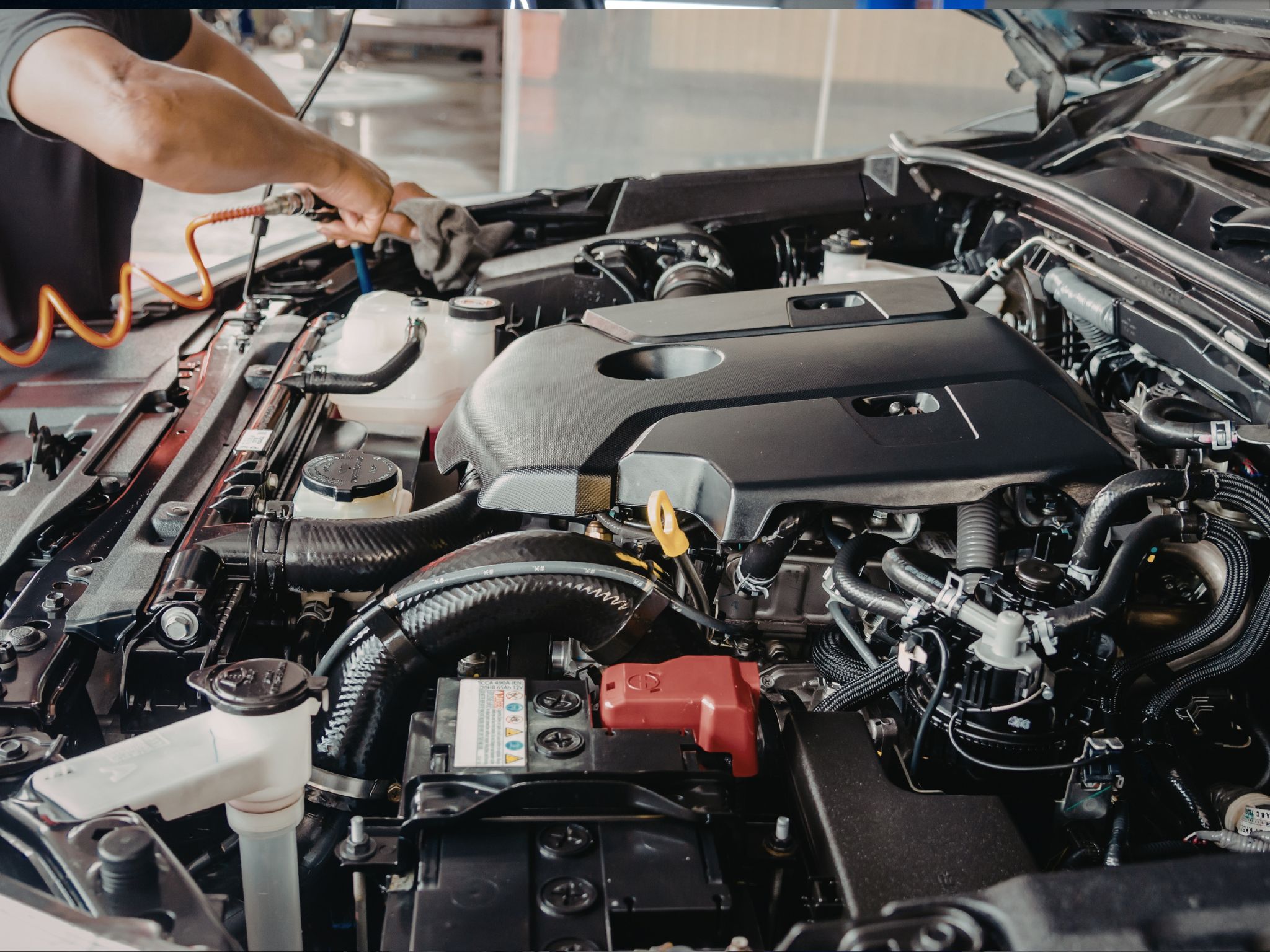
A scan gives your mechanic a starting point. It can flag problems across most of your car’s electronic systems, including:
Modern scan tools can also show live data – real-time readings from sensors while the engine is running. This lets your mechanic see what’s happening inside the engine as it operates, not just what happened in the past.
For example, a live data stream might show that one oxygen sensor is reading consistently lean while the others are normal. That’s a much more specific clue than the fault code alone would give.
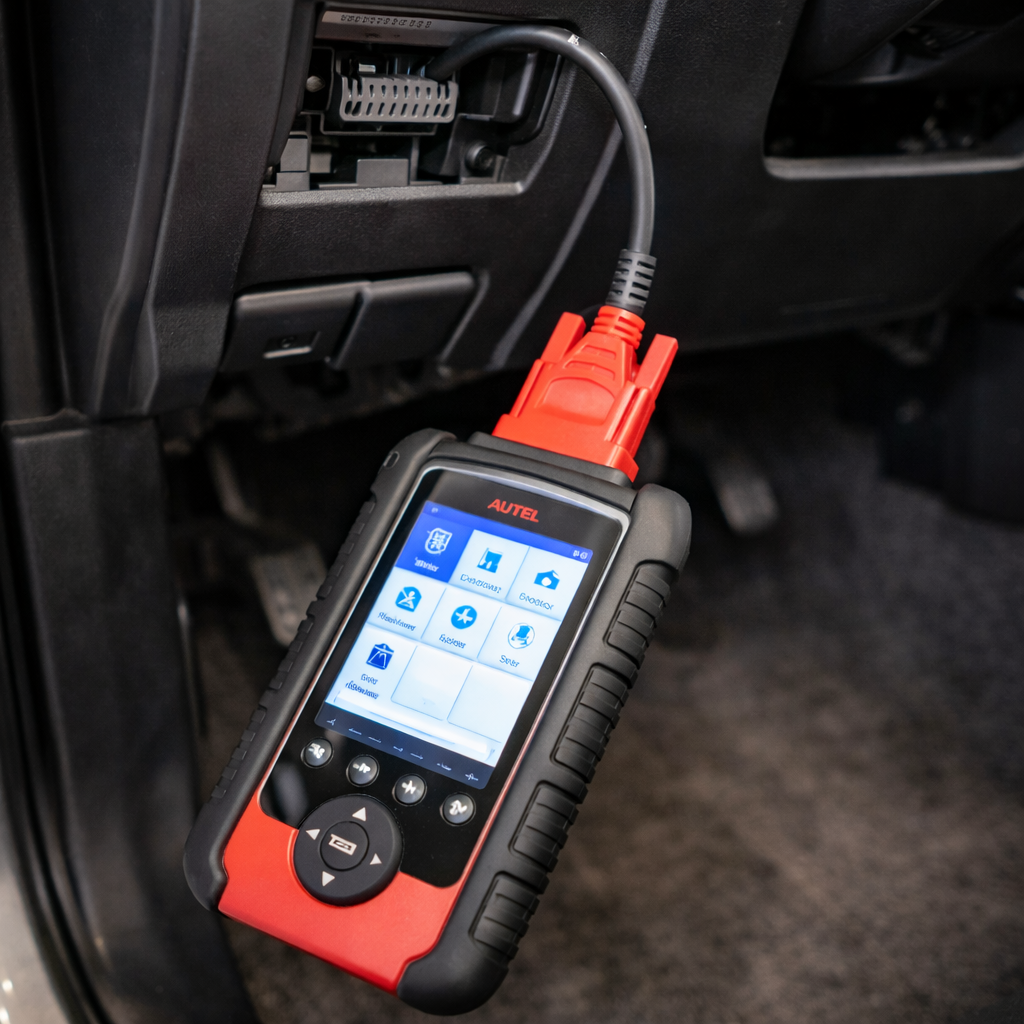
This is the part that surprises people. A car diagnostic test tells your mechanic that something is wrong in a particular system. It doesn’t tell them which part has failed or why.
A fault code for an oxygen sensor doesn’t mean the sensor itself is faulty. The cause could be a wiring problem, an exhaust leak upstream of the sensor, a vacuum leak affecting the fuel mixture, or a failing catalytic converter producing abnormal readings.
The code is a signpost, not a diagnosis. The diagnosis comes from your mechanic testing, inspecting, and ruling out causes based on experience and the specific symptoms your car is showing.
A scan also can’t detect mechanical problems that don’t involve electronic sensors. Worn brake pads, a leaking head gasket in its early stages, a tired suspension bush, or a slipping drive belt won’t trigger a fault code until they’ve progressed far enough to affect a sensor reading. By that point, the problem is often more advanced and more expensive to fix.
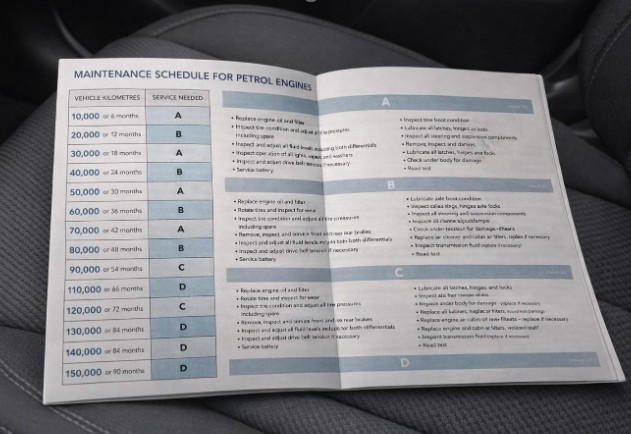
This is why regular servicing matters even when no warning lights are on. The stop-start driving most of us do around Clayton South, Mulgrave, and the Monash Freeway corridor puts steady wear on components that only a physical inspection will catch.
| A scan can find | A scan can’t find | |
|---|---|---|
| Engine | Misfires, sensor faults, fuel system errors | Low compression, internal oil leaks, early head gasket wear |
| Brakes | ABS sensor faults, module errors | Worn brake pads, warped rotors, low fluid from slow leaks |
| Exhaust | Catalytic converter codes, oxygen sensor faults | Rust holes, loose clamps, exhaust leaks before the sensors |
| Gearbox | Shift timing faults, speed sensor errors | Worn clutch plates, low fluid, mechanical bearing wear |
| Suspension | Electronic damper or ride height faults (if equipped) | Worn bushes, tired shock absorbers, broken springs |
| General | Any fault logged by an electronic sensor | Anything that hasn’t triggered a sensor reading yet |
A scan reads what the car’s computer has recorded. A mechanic finds what the computer can’t see.
In Australia, a diagnostic scan typically costs between $60 and $165, depending on the workshop, the vehicle, and how deep the scan goes.
A basic code read – plugging in, pulling the fault codes, and telling you what system they point to – sits at the lower end. A full car diagnostic test that covers all systems, reads live data, and includes interpretation and recommended next steps usually costs $100 to $165.
Some workshops fold the scan fee into the repair cost if you go ahead with the work. It’s worth asking about this when you book.
The cost of the scan itself is small compared to the cost of not knowing what’s going on. A $100 scan that catches a failing sensor early can prevent a much larger bill if the problem is left to cascade into other components.
Once your mechanic has the fault codes and live data, they’ll do further testing to pinpoint the root cause. This might involve a visual inspection of wiring and connections in the flagged system, testing individual sensors with a multimeter, checking for vacuum or exhaust leaks, or road testing to recreate the symptom under specific conditions.
After finding the problem, your mechanic will explain what they’ve found, what the repair involves, and what it will cost. A good workshop walks you through this clearly so you can make an informed decision before any work starts.
Once the repair is done, the fault codes are cleared and the car is rescanned to confirm the problem is resolved. If the same code comes back, further investigation is needed – sometimes a fault has more than one contributing cause.
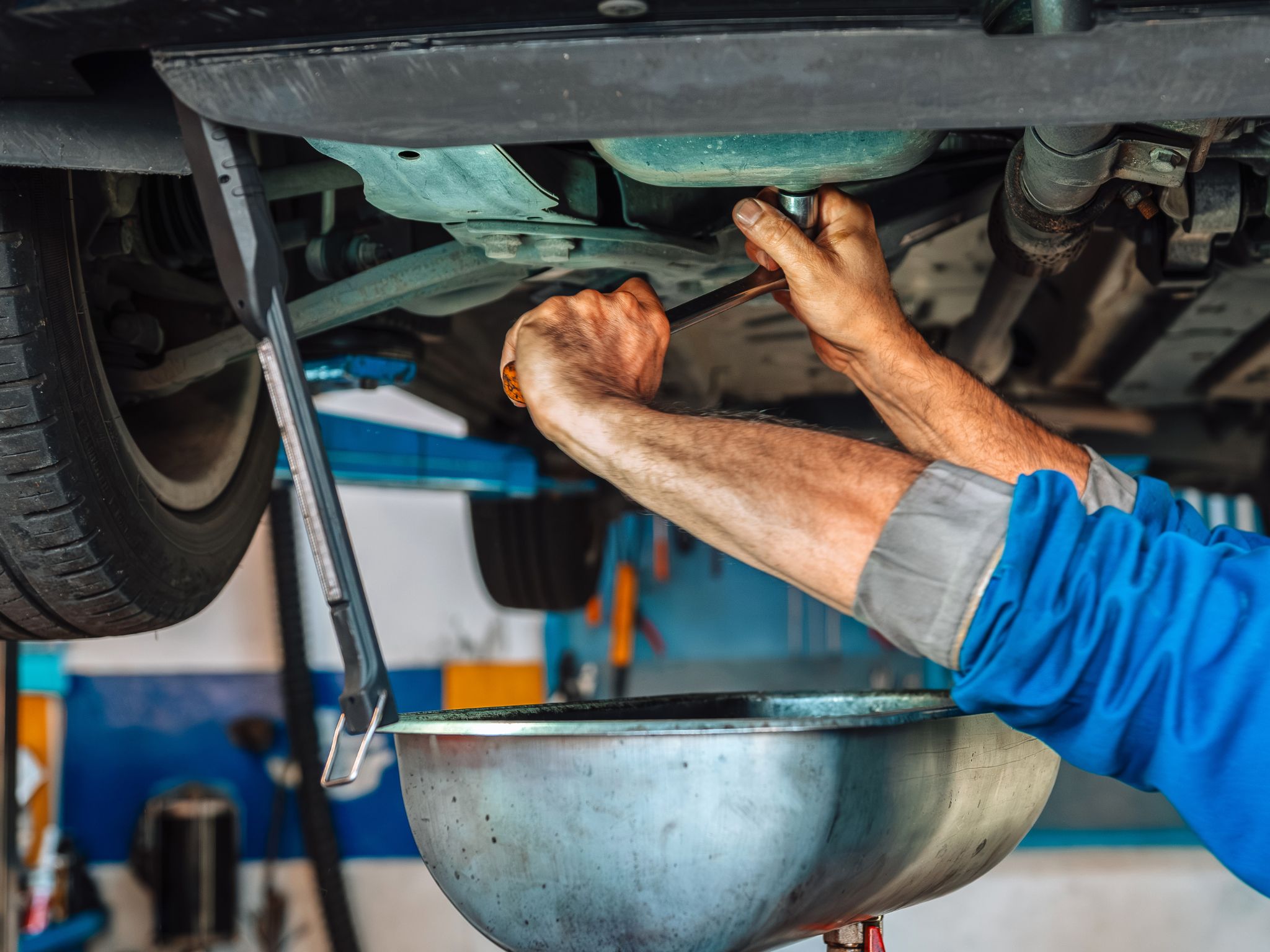
You can. Basic OBD-II readers start at around $50 and will pull engine fault codes. But the codes alone don’t give you a diagnosis. Without the experience to interpret what a code means in context, you risk replacing parts that weren’t the problem. A scan tool is useful for checking whether a warning light is urgent or minor, but it doesn’t replace the diagnostic process that follows.
No. A scan only reads faults logged by the car’s electronic systems. Mechanical wear – worn brake pads, a deteriorating suspension bush, a tired clutch – won’t show up unless it’s advanced enough to trigger a sensor fault. A physical inspection during a regular service catches the things a scan can’t.
It’s a good idea, but don’t rely on it alone. Fault codes can be cleared before a sale, wiping the stored history. A scan might come back clean even if the car had recent problems. Combining a diagnostic scan with a full pre-purchase inspection gives you a much more complete picture of what you’re buying.
The scan itself takes five to fifteen minutes. If your mechanic is running a full-system scan with live data analysis and interpretation, allow 30 to 60 minutes. Further diagnostic testing beyond the initial scan depends on what the codes reveal.
The engine warning light specifically indicates a stored fault code that needs scanning. Other warning lights – oil pressure, temperature, battery – are triggered by individual sensors and may not need a full scan. Your mechanic can advise which lights need code reading and which need a different type of inspection.
A diagnostic scan won’t tell you everything, but it’s the fastest way to narrow down what your car is trying to tell you. Combined with a mechanic’s experience, it turns a vague warning light into a clear plan of action.
If your engine light is on or your car isn’t running the way it should, book a diagnostic scan at Clayleigh Motors in Clayton South. We’ll read the codes, explain what they mean, and give you a straight answer on what needs doing.




Monday-Friday: 8:00am - 5:00pm
Saturday-Sunday: Closed

Address: 9 James Street, Clayton South 3169 VIC
Phone: 03 9544 4654
Email: con@clayleighmotors.com.au
Website design by CJ Digital