


When do you need a roadworthy certificate in Victoria?
The rules on when a Victorian roadworthy certificate is needed turn on what you are doing with the vehicle, not on the vehicle itself. Our new guide sets out which…

The clutch pedal feels different. Maybe it's sitting higher than it used to, or the car shudders when you pull away from the lights. Something's changed – and the longer it goes unchecked, the more expensive the result tends to be.
Here's what to look for, what a clutch job involves, and why quotes for this kind of work can vary so much.
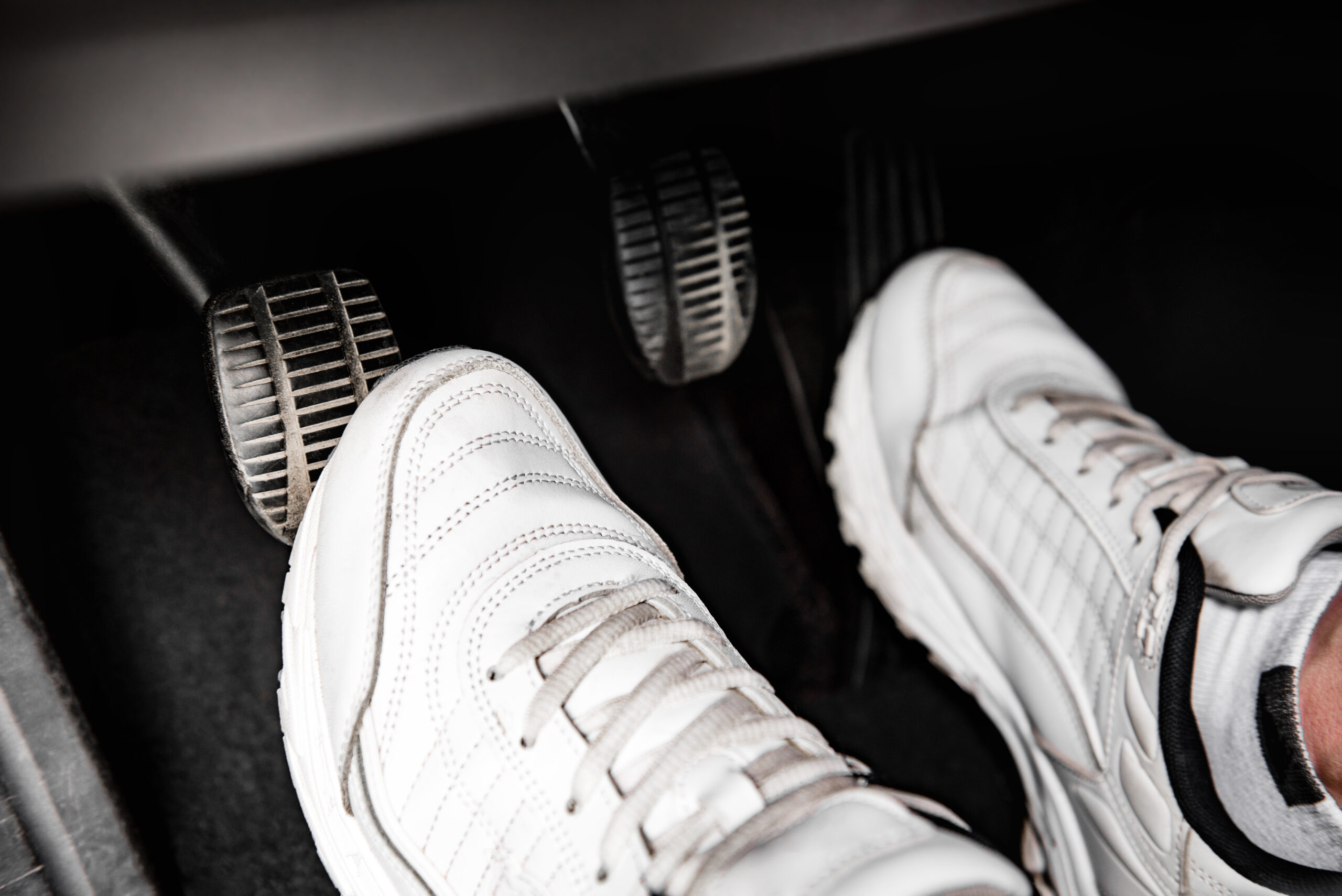
Clutch problems rarely appear without warning. The challenge is knowing which symptoms deserve a prompt inspection and which can wait.
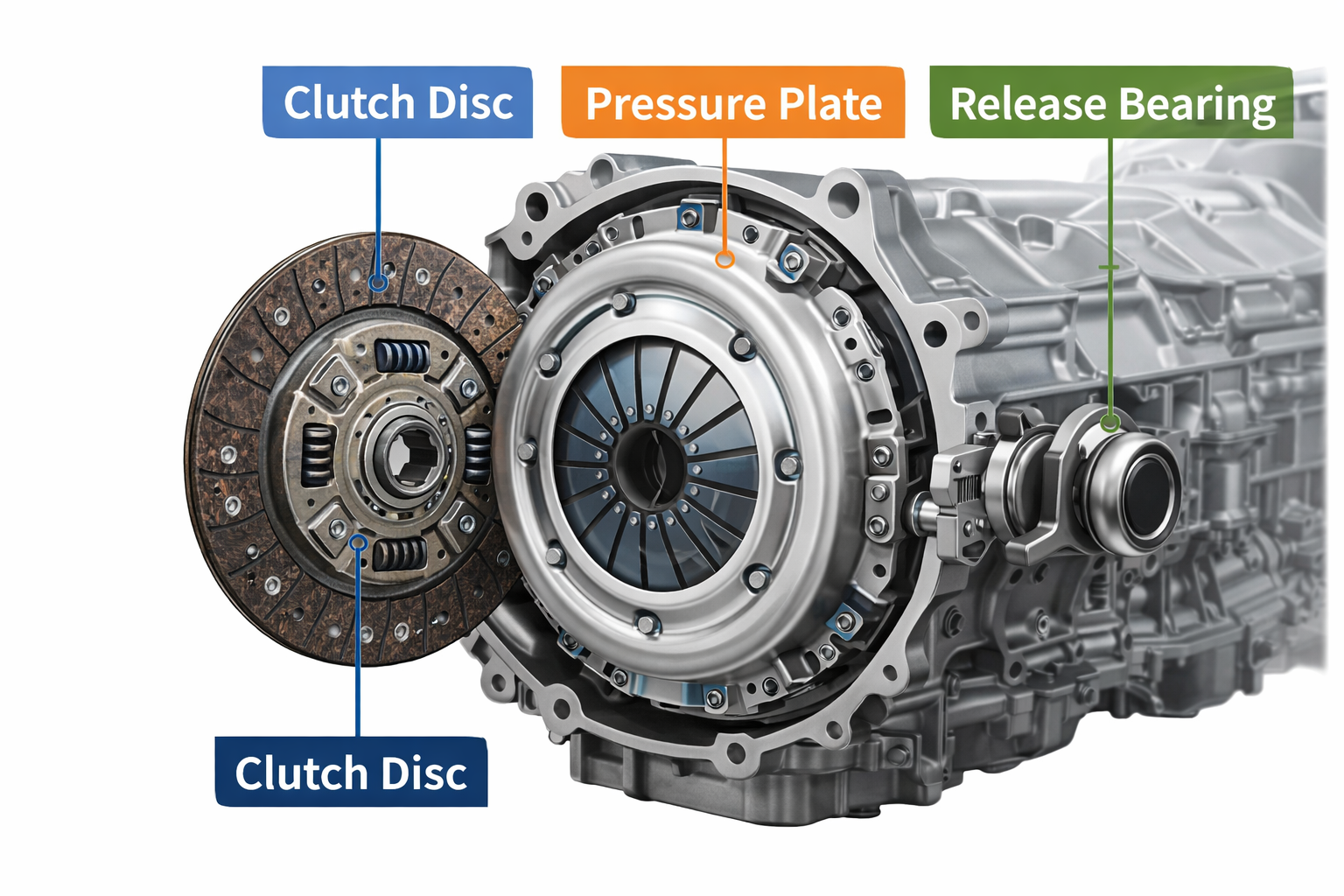
The clutch sits between the engine and the gearbox. Its job is to temporarily disconnect the two so you can change gears, then reconnect them smoothly. The main components that wear over time are:
In most replacements, all three are swapped out together. Replacing just the disc and leaving the pressure plate or bearing is a false economy – they wear together, and doing the job again sooner costs far more in labour than replacing everything once.
The flywheel is assessed separately. On some vehicles the flywheel surface can be machined smooth and reused. On others – particularly those fitted with a dual mass flywheel, which is common on many modern diesels and European vehicles – replacement is often the better call. Your mechanic can assess this once the gearbox is off.
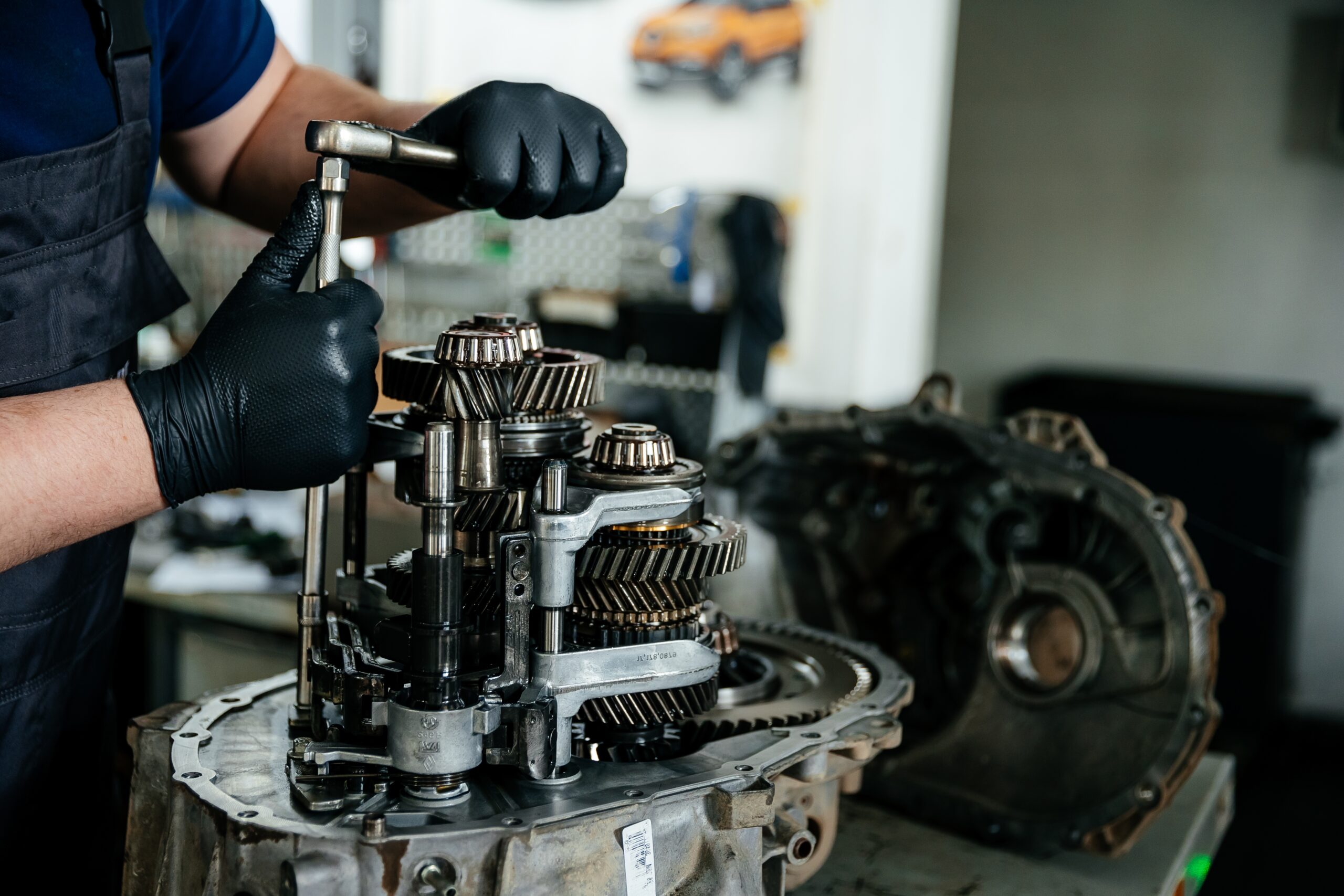
Getting to the clutch requires removing the gearbox. That's why this is a labour-intensive job even when the parts themselves are relatively straightforward.
Clutch jobs vary in cost more than most repairs, and for legitimate reasons.
Vehicle type and drivetrain layout. Getting to the clutch involves different amounts of work depending on the car. A small front-wheel drive hatchback is a different job to a rear-wheel drive ute or a 4WD with a transfer case. More disassembly means more labour hours – and labour is the bulk of the cost.
Flywheel condition. If the flywheel needs resurfacing or replacement, that adds to the job. Dual mass flywheels – found on many modern diesels and European vehicles – are significantly more expensive to replace than solid flywheels. You won't know what's needed until the gearbox is out.
Parts quality. There's a range between budget aftermarket components and quality OEM or OEM-equivalent parts. Better parts generally last longer. For a job this labour-intensive, it makes sense to use components that won't need revisiting in a few years.
Labour time. The job is mostly labour, not parts. Vehicles where the gearbox is strai
Occasionally. But for most clutch replacements, the full kit – disc, pressure plate, and bearing – is replaced in one go. The logic is simple: since the gearbox has to come out regardless, the additional cost of replacing all the wear items at once is modest compared to the labour cost of doing the job a second time when something else fails.
The flywheel is the exception. If it's in good condition, it doesn't necessarily need attention. Your mechanic will tell you once they've seen it.
A well-maintained clutch in normal use typically lasts between 100,000 and 200,000 km. Driving style matters more than distance, though. Stop-start commuting, regular towing, frequent hill starts, and riding the clutch all accelerate wear.
South-east Melbourne's mix of Monash Freeway commuting and suburban stop-start traffic is harder on clutches than predominantly highway driving – particularly for older vehicles or those carrying loads regularly. If you've bought a car second-hand without knowing its history, symptoms are a more useful guide than the odometer.
A worn clutch that gets ignored tends to score the flywheel surface, turning what would have been a straightforward clutch job into a flywheel replacement as well. If you're noticing any of the signs above – slipping, shuddering, a high bite point, or that burning smell after stop-start traffic – an inspection now is a much cheaper outcome than a bigger repair later.
Clayleigh's brake and clutch service team can assess what's going on – and a clutch inspection doesn't take long.



Monday-Friday: 8:00am - 5:00pm
Saturday-Sunday: Closed

Address: 9 James Street, Clayton South 3169 VIC
Phone: 03 9544 4654
Email: con@clayleighmotors.com.au
Website design by CJ Digital