



When do you need a roadworthy certificate in Victoria?
The rules on when a Victorian roadworthy certificate is needed turn on what you are doing with the vehicle, not on the vehicle itself. Our new guide sets out which…

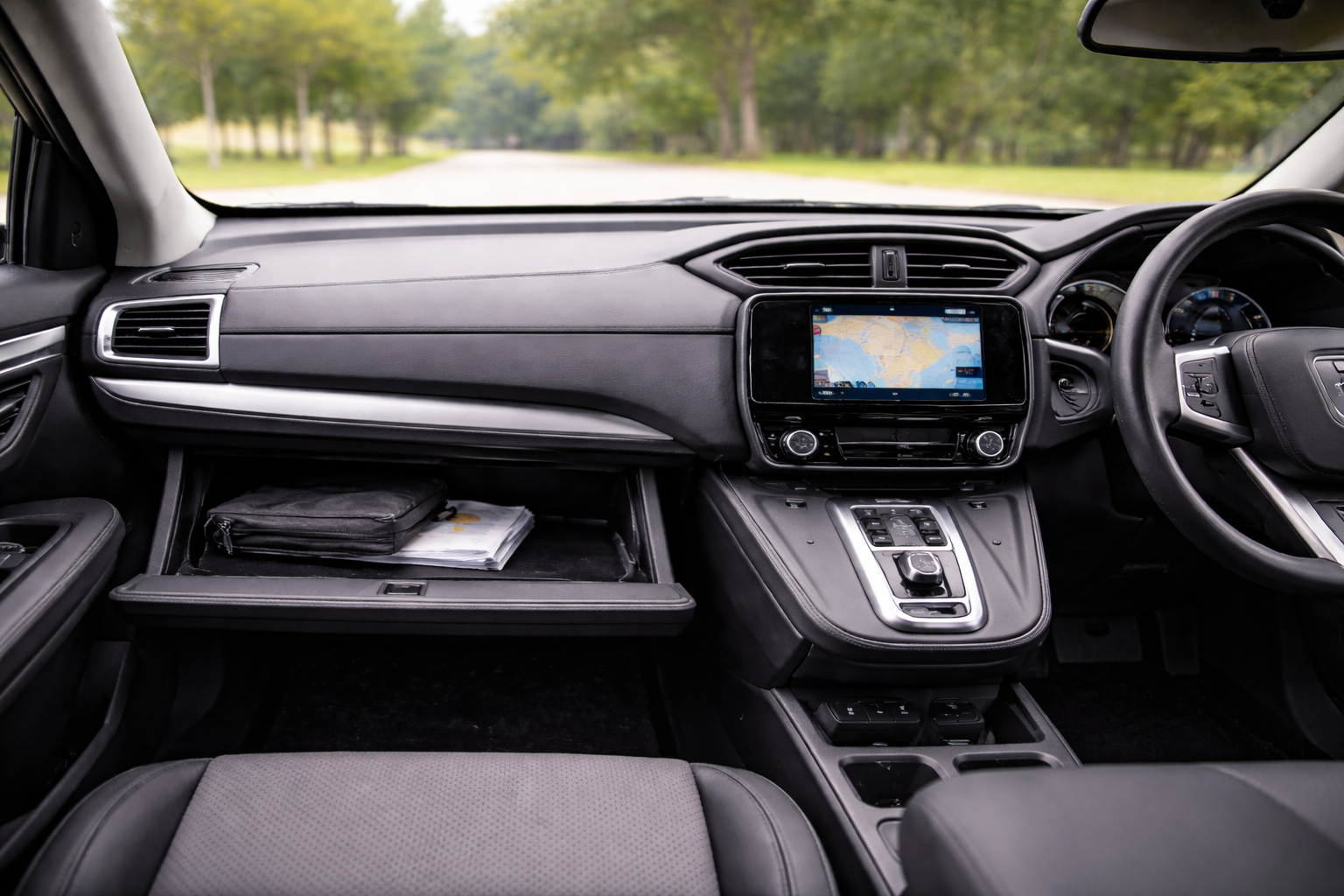
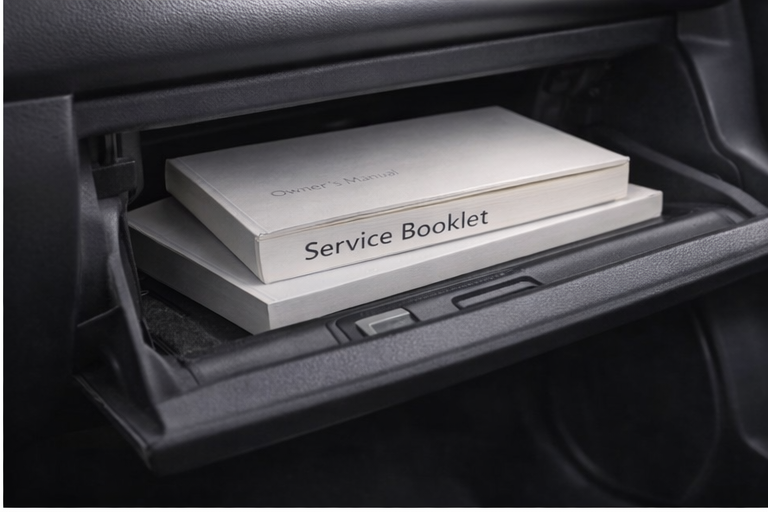
It came with the car. You might have glanced at it once, maybe even flipped through it on the drive home. Then it went in the glovebox – probably still in the plastic wrap – and that's most likely where it still is.
Your car's logbook service schedule tells you exactly what maintenance your vehicle needs and when. Here's how to find it, read it, and actually use it.
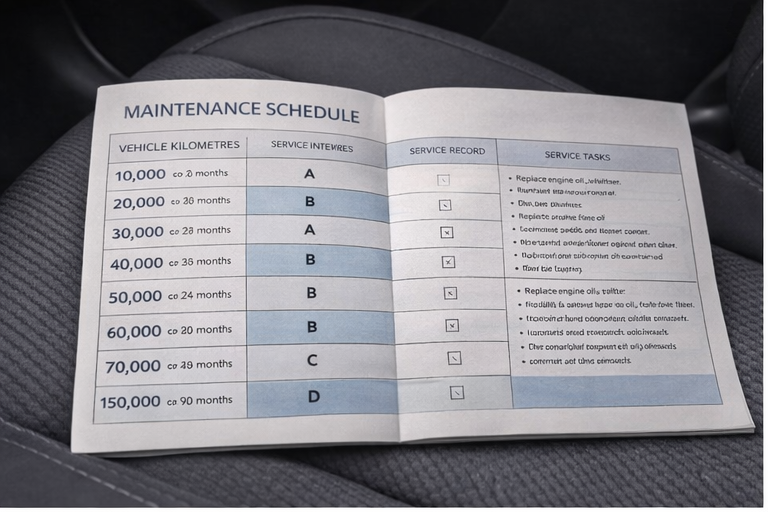
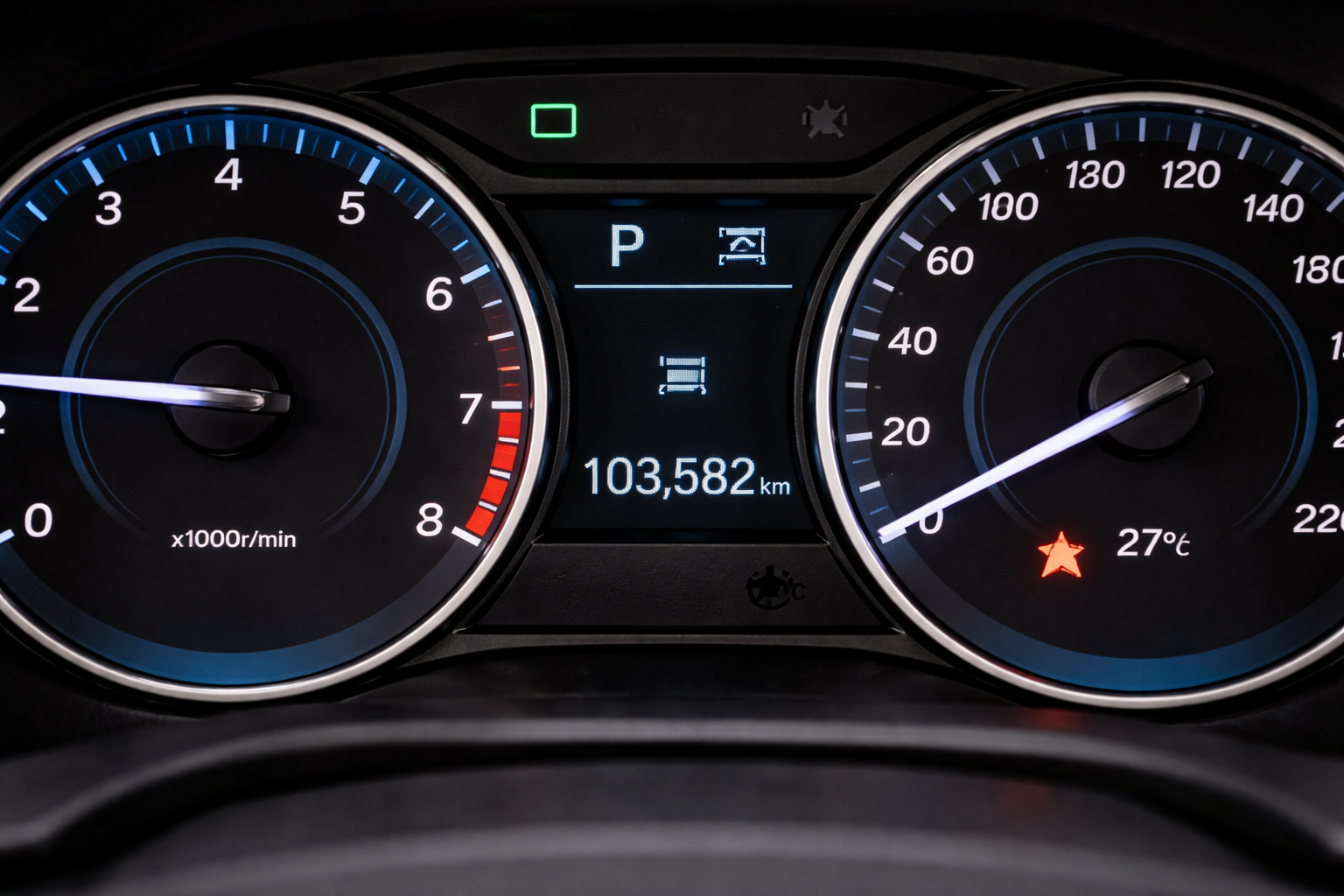
Service schedules almost always give you two intervals: a distance and a time. Something like 'every 15,000 km or 12 months, whichever comes first.'
If you drive a lot, the distance trigger will catch you before the time one does. If you mostly do shorter runs – school pickups, local errands, not much freeway time – the 12-month mark will arrive before you've covered the required kilometres.
This matters more than people realise. Short-trip driving is actually harder on an engine than highway driving, because the engine doesn't get hot enough, for long enough, to burn off the moisture and combustion byproducts that build up in the oil. A car that's covered fewer kilometres than usual but is sitting on 12 months since its last service still needs to come in.
Some vehicles also have a 'severe duty' schedule for harder use – regular towing, lots of stop-start driving, or particularly dusty conditions. If any of those apply to how you use your car, the standard intervals may not be sufficient. Check whether your manual includes a second schedule for severe conditions, or ask your mechanic.
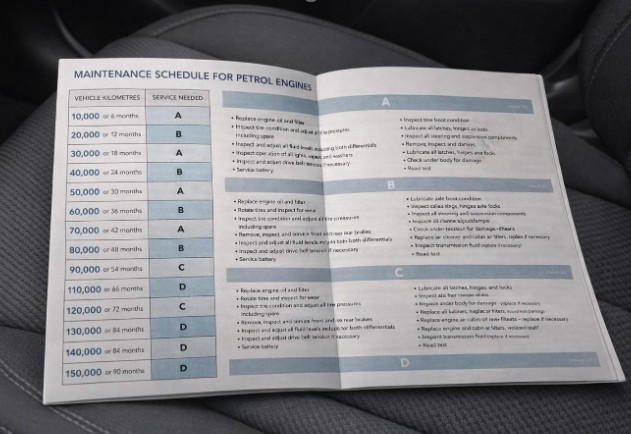
Most manufacturers schedule alternating minor and major services. A minor logbook service typically covers engine oil and filter, a check of all fluid levels, tyre pressures, and a visual safety inspection. A major service goes further: spark plugs, air filter, fuel filter, cabin filter, brake fluid, coolant, and a more thorough look at belts, hoses, and suspension components. At higher-mileage milestones – around 60,000 km or 90,000 km, depending on the vehicle – timing belt inspection or replacement often falls due at the same time.
The cost difference between minor and major services isn't your mechanic being inconsistent. It reflects what the schedule actually requires at that interval. If your last service quote was higher than the one before it, this is usually the explanation.
Many car owners believe their logbook must be stamped by the selling dealer, or a manufacturer-authorised service centre, to keep their factory warranty valid. This is not correct under Australian Consumer Law.
You have the right to use any qualified mechanic, provided they follow the manufacturer's specified intervals and use appropriate parts. An independent workshop can stamp and sign your logbook, and that record carries the same legal weight as a dealership stamp. The relevant protection sits in the Competition and Consumer Act 2010. If a dealer ever suggests otherwise, they're wrong.
Going slightly over your service interval occasionally won't cause lasting damage. But doing it consistently has real consequences.
Engine oil degrades over time and distance. It loses viscosity and its lubricating properties, which increases wear on components like camshafts, bearings, and timing chains. Those items cost substantially more to replace than the service that would have protected them.
Your warranty is also at risk. Manufacturers require services to be completed on schedule as a condition of cover. A gap in your stamped service history gives them grounds to decline a claim. The logbook is your proof – keep it current.
Resale value is a third consideration. A complete service history is one of the first things a serious buyer or dealer will check. Gaps reduce what the car is worth, often by more than the combined cost of the missed services.
Pull the manual out of the glovebox. Find the service schedule section – it's usually a grid or table showing service milestones down one side and the required tasks listed across the top, with tick marks showing what falls due at each interval.
Find the most recent stamp. Check the service date and the odometer reading recorded at that service against today's figures. If you're within 2,000 to 3,000 km of the next milestone, or within a month or two of the 12-month mark, you're close enough to book now rather than leave it.
If you can't make sense of what the schedule is telling you, bring the logbook in to us in Clayton South. We'll go through it with you, confirm exactly where you're up to, and book you in for whatever the manufacturer recommends next.
Clayleigh Motors provides comprehensive logbook servicing in Melbourne, specifically serving the Clayton and Clayton South areas. Our qualified mechanics follow your manufacturer’s exact specifications to ensure your vehicle stays in peak condition and your warranty remains fully intact.
No. Under Australian Consumer Law, you have the right to choose any qualified mechanic for your logbook service. As long as the workshop follows the manufacturer’s car service schedule and uses appropriate parts, your factory warranty remains valid. We provide the same professional logbook stamping as a dealership.
hile standard car service intervals are often 15,000 km or 12 months, Melbourne’s heavy traffic and short city trips are considered "severe duty" conditions. This type of driving prevents the engine from reaching optimal temperature, meaning you may need to service your vehicle more frequently than the standard.
A minor service generally covers engine oil, filters, and safety checks. A major logbook service is more intensive, occurring at specific intervals (like 60,000 km) to replace spark plugs, brake fluid, or coolant. Following the correct car service schedule ensures these vital components are replaced before they cause a breakdown.
Yes. If your logbook is missing, our team in Clayton South can access digital records and manufacturer databases to determine your vehicle’s requirements. We can help you get back on track with your logbook servicing and provide a record of work to help maintain your car's resale value.





Monday-Friday: 8:00am - 5:00pm
Saturday-Sunday: Closed

Address: 9 James Street, Clayton South 3169 VIC
Phone: 03 9544 4654
Email: con@clayleighmotors.com.au
Website design by CJ Digital