What fails a roadworthy in Victoria and what to check before you book 

Every week across Victoria, cars that look perfectly fine on the driveway get red-flagged during a roadworthy inspection.
Not because they are falling apart, but because the owner missed something small. A blown number plate globe. A wiper blade that smears instead of clears. A tyre that looked alright from a distance but was sitting right on the wear indicator.

The roadworthy certificate (RWC) is not a full mechanical report. It confirms a vehicle meets minimum safety standards at the time of inspection. That is all. If you are selling a car, buying one, or transferring registration, you will need one. And if you fail, you normally have 14 days to fix the listed items and return for a re-check. Miss that window, and you are paying for an entirely new test.

The good news is that most of the items that trip people up can be spotted in the driveway before you ever make the booking.

The driveway checklist: what you can catch yourself

Tyres and wheels

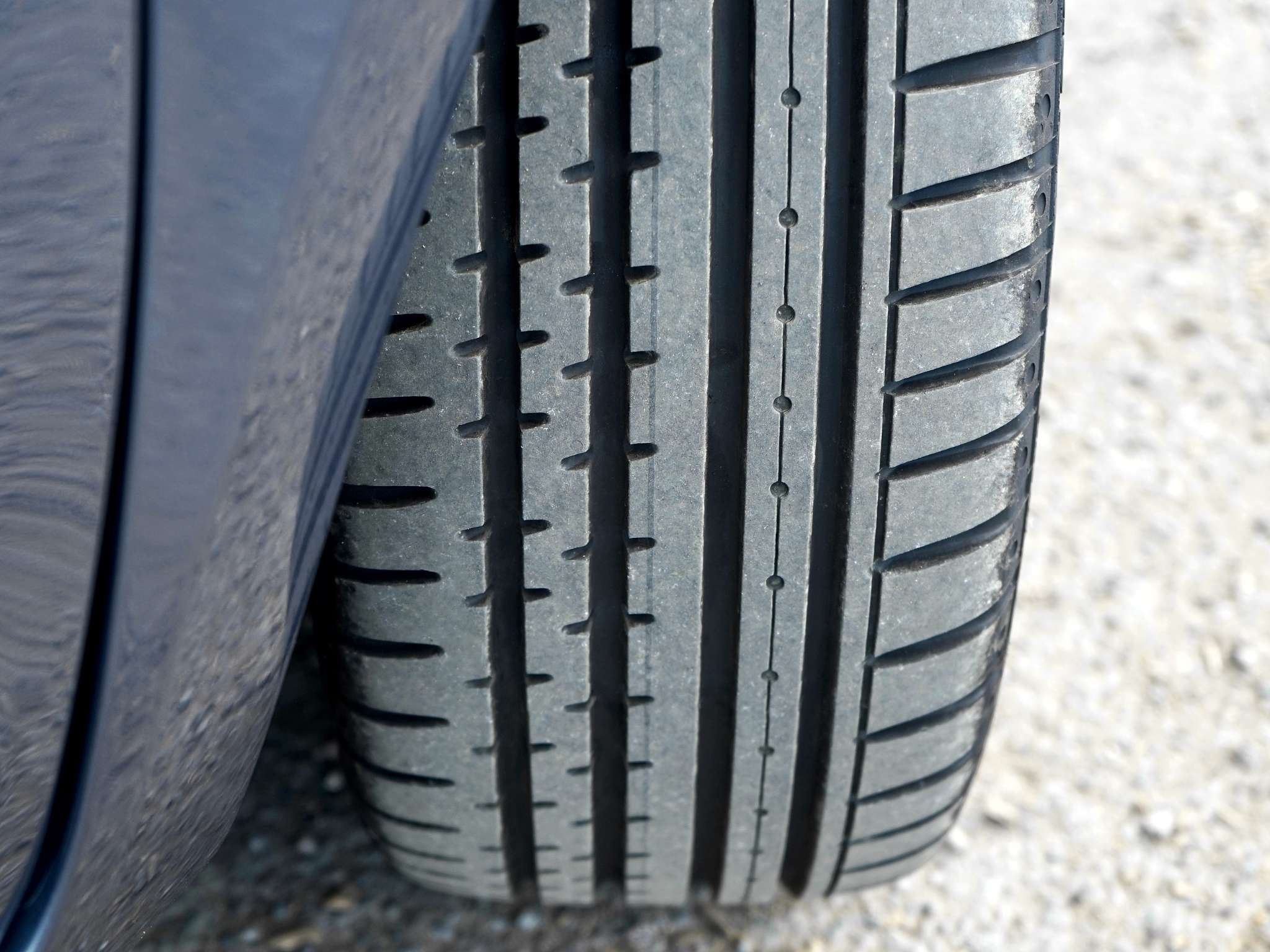
This is the single most common area where vehicles come unstuck. Victorian law requires at least 1.5 mm of tread depth across all principal grooves, excluding the wear indicators. If a wear indicator is flush with the road surface, that tyre is gone. But tread depth is only part of the story. Run your hand across the face of each tyre and feel for uneven wear. Heavy wear on one edge often points to alignment or suspension issues, which the inspector will also be looking for once the car is on the hoist.

Check for:
  • Cuts, bulges, or exposed cords on sidewalls
  • Wear indicators touching the road surface
  • Uneven wear patterns across the tread face
  • Cracked, buckled, or damaged wheels
  • Missing or loose wheel nuts

Lights and signals

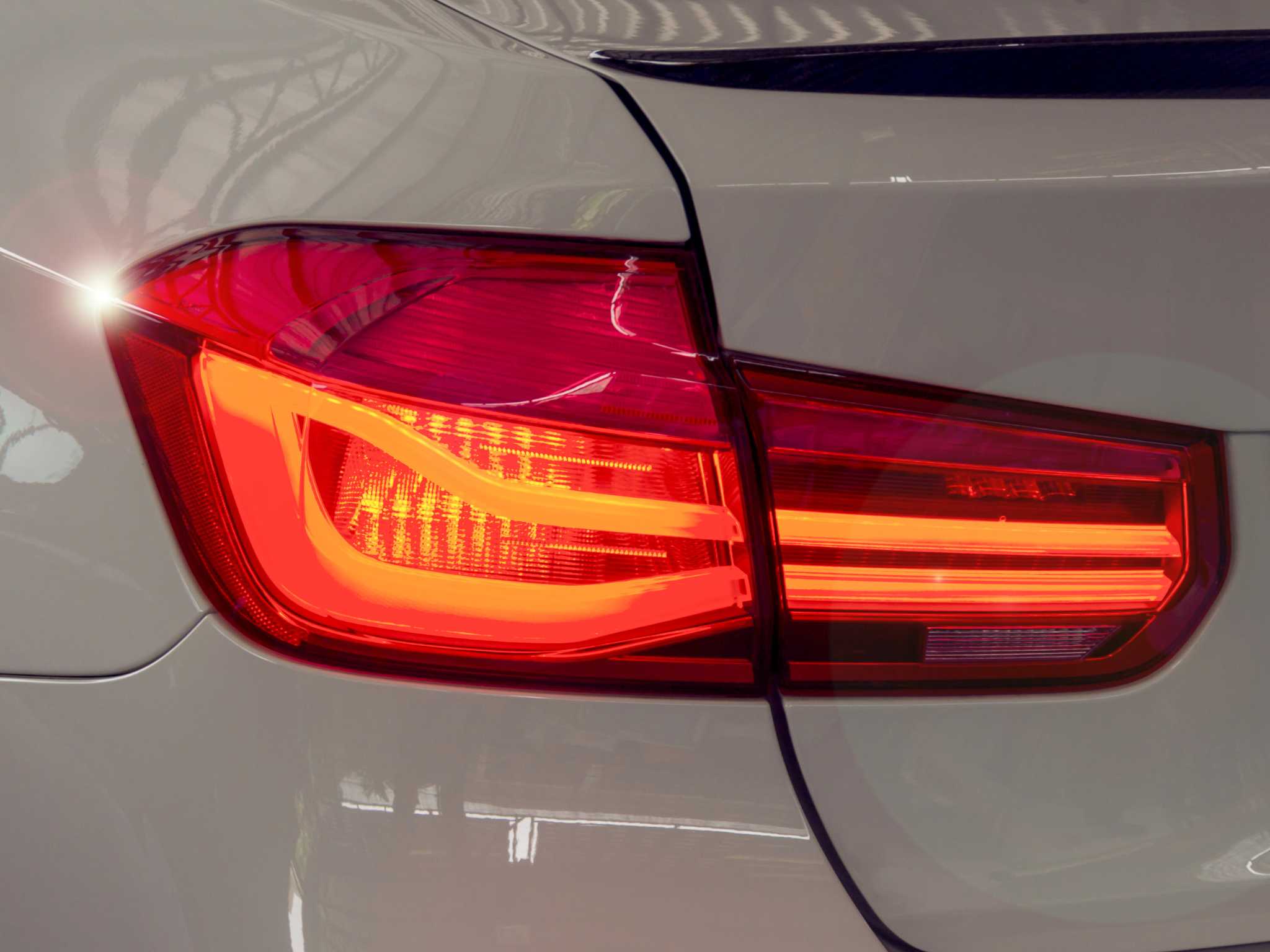
Walk around the car with someone inside pressing buttons. Every light needs to work. That includes low beam, high beam, brake lights (the high mount stop lamp too, if fitted), indicators, hazard lights, tail lights, reverse lights, and the number plate light that most people forget exists. Cracked lenses and lights that have filled with water are also grounds for failure. A $6 globe from the auto parts store can save you a return trip.

Windscreen, wipers, and washers

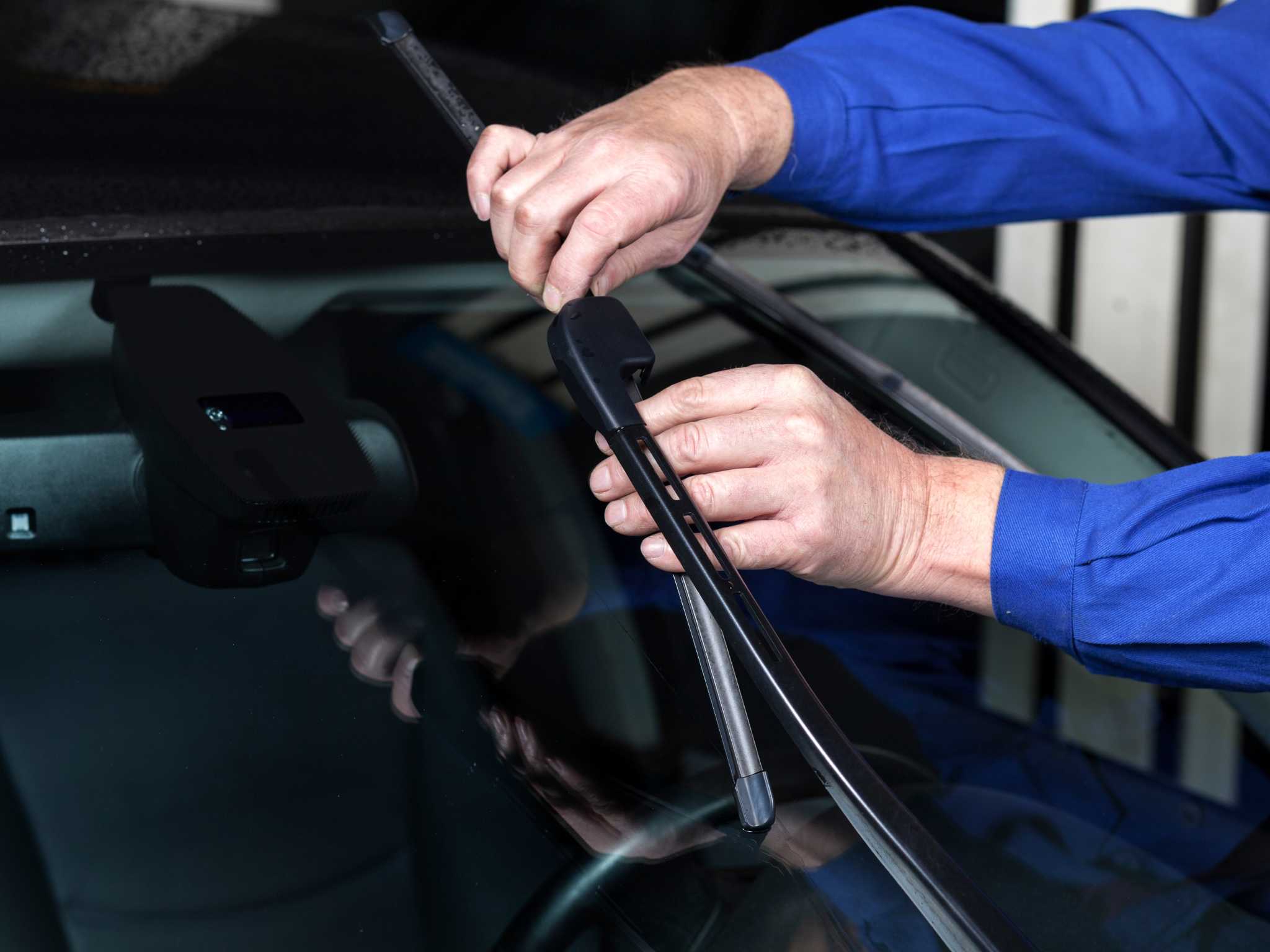
Wipers must clear the screen properly. If they are streaking, juddering, or leaving patches, swap the blades before you book. Washers must actually spray, so top up the reservoir and make sure the jets are not blocked. And take an honest look at the windscreen itself. Chips or cracks in the driver’s line of sight are one of the most common reasons cars get caught out.

Seatbelts, seats, horn, and mirrors

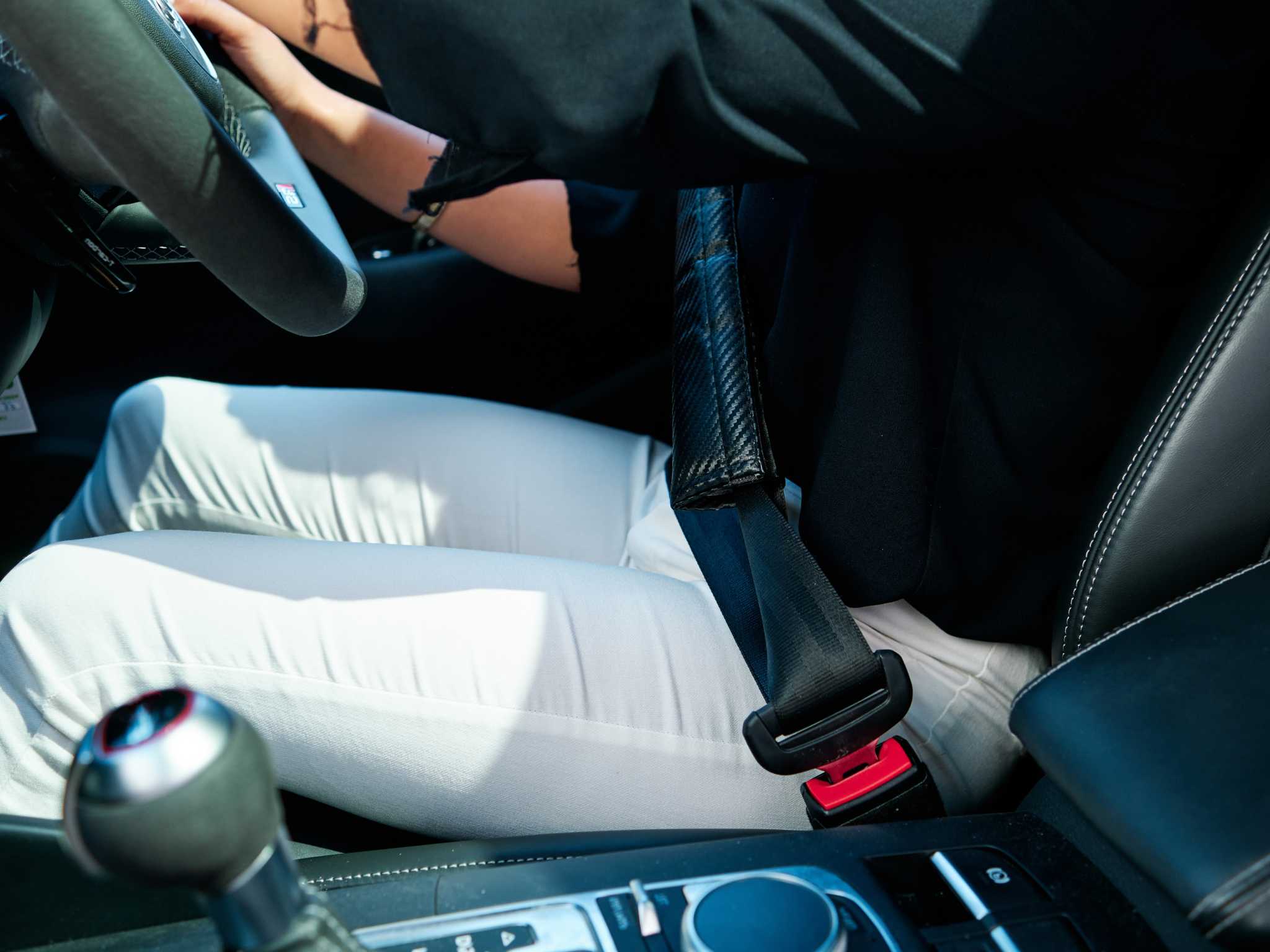
Click every seatbelt. Does it retract smoothly? Is the webbing frayed or damaged? Give each seat a firm push. If it rocks on its mounts, that is a fail. Check that the horn works and that mirrors are secure and actually provide a clear view. None of these are expensive fixes, but all of them will stop a certificate being issued.

Leaks and loose parts

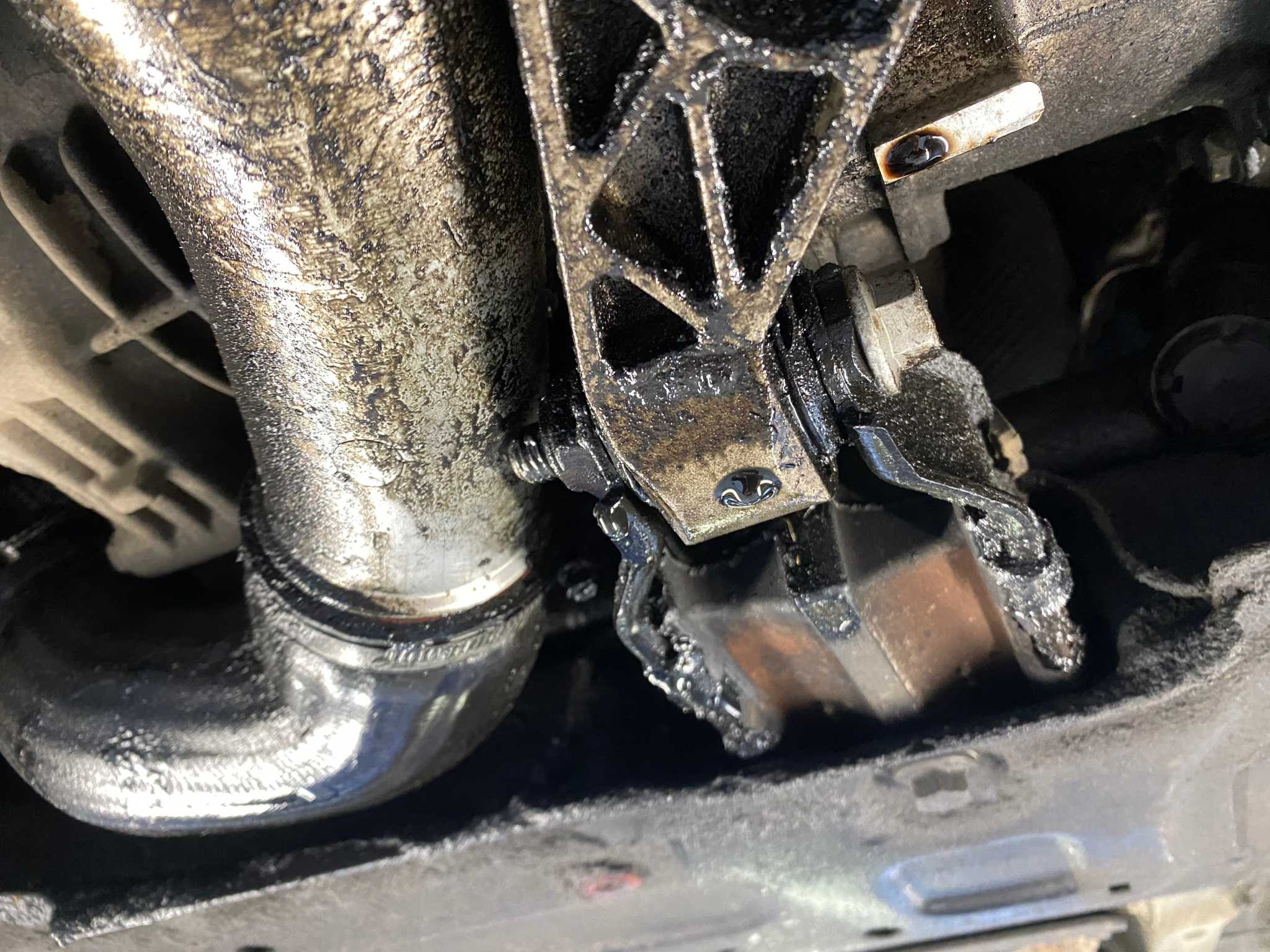
Fresh fluid on the ground underneath the car is a red flag. An exhaust that drags, rattles, or hangs visibly loose needs attention. Anything dangling underneath, whether it is a heat shield, a guard, or a piece of trim, should be secured or removed before you go anywhere near an inspection bay.

Do not book yet if any of this sounds familiar

Some problems are not worth gambling on. If any of the following apply, sort them out first:
  • The brake pedal feels soft, sinks to the floor, or the car pulls hard to one side under braking
  • There are loud knocks from the suspension over bumps, or the steering feels loose and vague
  • Tyres are near the wear indicators or visibly damaged
  • Multiple exterior lights are out
  • There is an obvious fluid leak under the car
Booking a roadworthy when you already suspect a problem is throwing money at a fail. Get the issue diagnosed first, fix it, then book the inspection.

What happens on the hoist

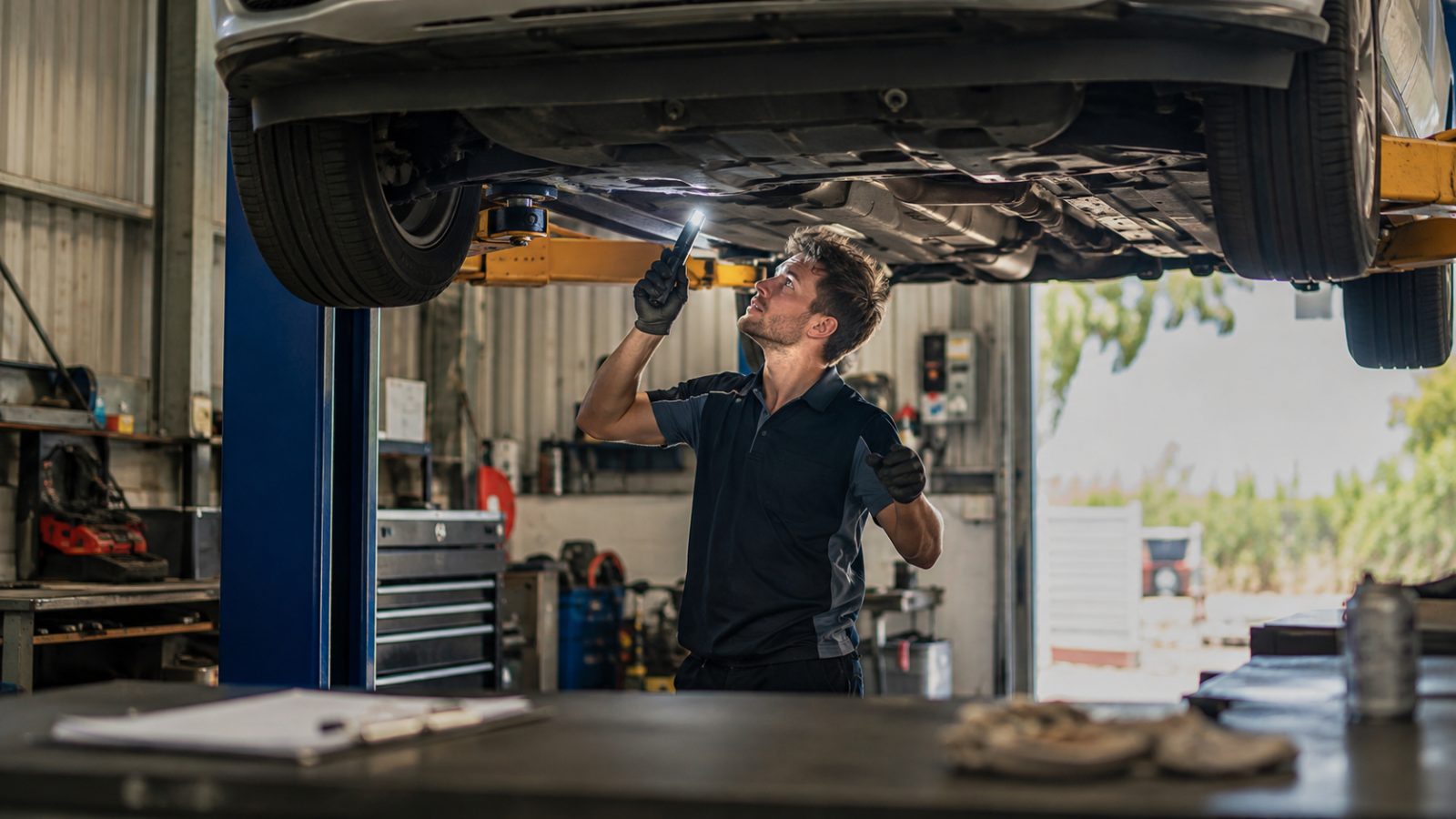
A roadworthy covers wheels and tyres, steering, suspension, brakes, seats and seatbelts, lights and reflectors, windscreen and windows, wipers and washers, vehicle structure, and other safety-related items on the body, chassis, and engine. Many of the items that catch owners out sit in categories that are invisible from ground level.

Brakes:

pad thickness, rotor condition, brake hose integrity, any leaks, and whether the park brake actually holds

Steering and suspension:

worn ball joints, tie rod ends, bushes, shock absorbers, and excessive play in the steering

Vehicle structure:

corrosion or damage that affects structural safety

Underbody:

loose components, exhaust mounting, and any other safety-related defects
A car can feel completely normal to drive and still fail on worn ball joints or a seeping brake hose. That is why it is worth asking your mechanic for a pre-inspection check on a hoist before you commit to the formal roadworthy booking.

Pre-booking checklist at a glance

Area Common fail reasons What you can do before booking
Tyres and wheelsTread below 1.5 mm, wear indicators flush, sidewall damageCheck all four tyres by hand, replace any that are worn or damaged
Lights and signalsBlown globes, cracked lenses, water in housingsTest every light, replace globes, repair or replace damaged lenses
Wipers and washersSmearing blades, washers not sprayingFit new blades, top up washer fluid, clear blocked jets
WindscreenChips or cracks in driver’s line of sightGet chips repaired or windscreen replaced before booking
Seatbelts and seatsBelts not retracting, frayed webbing, seats loose on mountsTest every belt and every seat position
BrakesWorn pads, scored rotors, leaking hoses, park brake failureIf braking feels off, get a brake inspection done first
Steering and suspensionWorn joints, bushes, shocks, excessive steering playIf you hear clunks or feel looseness, have it checked on a hoist first
Leaks and underbodySafety-related fluid leaks, loose or hanging componentsFix visible leaks and secure anything loose underneath

The timing rules that catch people out

A Victorian certificate of roadworthiness is valid for 30 days from the date of issue. That means if you get the certificate early and the sale drags on, you may need another one. On the other side, if your vehicle fails the inspection, you normally have 14 days to fix the listed defects and return for a re-check at no extra charge. Let that window close and you are paying the full fee again for a brand new test.

The best approach is to time your preparation so you are booking the formal inspection only when you are genuinely ready to sell or transfer.

What a roadworthy does not tell you

A roadworthy certificate confirms a vehicle met minimum safety standards on the day it was inspected. It says nothing about the condition of the engine, the gearbox, the air conditioning, or the dozens of other components that can cost real money to repair. It is not a warranty. It is not a guarantee the car will still be trouble-free next month.

If you are on the buying side, a roadworthy certificate is a starting point, not a finish line. A separate pre-purchase inspection from an independent mechanic will give you a much fuller picture of what you are actually taking on.

What our Customers Say

Articles & Tips

Trading Hours

Monday-Friday: 8:00am - 5:00pm 
Saturday-Sunday: Closed  

© 2026 Clayleigh Motors

Website design by CJ Digital